
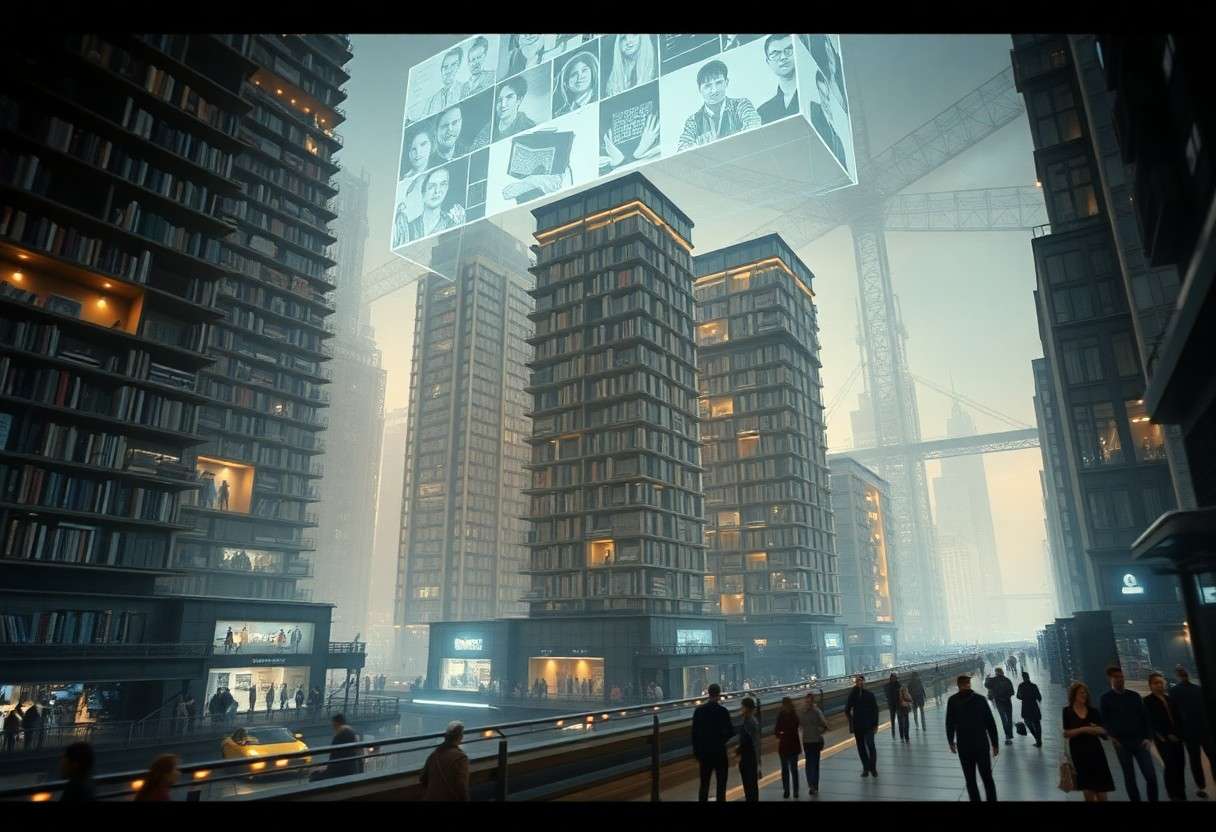

There’s a growing demand for innovative storytelling techniques that can effectively engage diverse audiences. By mastering narrative architectures, you can create rich story universes that not only expand your reach but also enhance audience connection. Understanding how to construct these layers of narrative will empower your creative process, allowing you to multiply engagement and drive deeper interactions with your content. Dive into the principles and practices that can transform your stories into dynamic experiences that resonate across platforms and demographics.
You hold the power to create compelling story universes that enhance your reach and engage audiences on multiple levels. By understanding the principles of narrative architecture, you can construct intricate worlds that resonate with your audience, allowing them to connect deeply with your content. Effective story universes not only captivate but also foster community engagement and increase your brand’s visibility. For an exploration of this powerful concept, check out Why Story Worlds Matter (+7 Worldbuilding Tips With ….

Key Takeaways:
- Emphasizes the importance of a cohesive story universe to enhance audience engagement.
- Encourages leveraging multiple platforms to expand reach and accessibility of the narrative.
- Stresses the role of collaboration among creators to enrich the storytelling experience.
- Utilizes audience feedback to evolve and adapt the story universe over time.
- Promotes the integration of transmedia strategies to create immersive experiences for users.
Key Takeaways:
- Story universes enhance audience engagement through interconnected narratives.
- Multi-platform storytelling maximizes reach and adaptability across different media.
- Deep character development fosters loyalty and investment from audiences.
- Collaborative creation can leverage diverse ideas, enriching the storytelling process.
- Strategic world-building allows for sustainable expansions and future storytelling opportunities.
Understanding Narrative Architectures
Definition of Narrative Architectures
Narrative architectures refer to the frameworks and structures that enable the creation of expansive story universes. These architectures allow you to weave together multiple narratives across various mediums, ensuring a cohesive experience that engages your audience. By employing elements such as character arcs, thematic consistency, and intertextual connections, you can create a rich tapestry of stories that enhance audience immersion.
In practice, narrative architectures can manifest in various forms, from cinematic universes like the Marvel Cinematic Universe to transmedia storytelling experiences that span books, games, and interactive media. This multifaceted approach not only enriches the storytelling experience but also fosters a deeper connection with your audience, making them feel invested in the universe you have created.

MEET THE AUTHOR
Step into the world of Stramedia—where expertise drives growth. Our campaigns deliver 5B+ monthly impressions and 500M+ reach, across an audience footprint of 300M+.
“Our Swiss team excels in Instagram strategies and media buying,” says Stefano Belloni, Stramedia CEO.
We’ve propelled apps, music, and brands globally, using a 500M+ partner network.
Ready to elevate your digital presence? Explore our strategies.
Historical Context and Evolution
The concept of narrative architectures is not new, as storytelling has evolved from oral traditions to complex narratives seen in modern entertainment. Ancient epic tales like the “Iliad” and “Odyssey” laid the groundwork for interwoven stories by introducing recurring themes, characters, and settings. Over centuries, authors and playwrights started developing series and sequels, giving rise to the idea of interconnected stories that resonate with audiences across generations.
With the advent of digital technology, the evolution of narrative architectures accelerated significantly. The rise of video games and online platforms introduced interactive storytelling, allowing you to become part of the narrative experience. Furthermore, franchises that span multiple media, such as video games, television shows, and films, have flourished, creating expansive universes that continue to grow and evolve with audience engagement.
This evolution reflects changing audience expectations, as modern consumers seek experiences that allow for deeper interaction and engagement. The transition from linear storytelling to complex, multi-platform narratives caters to a generation that craves versatility and richness in their entertainment.
Importance in Modern Storytelling
Modern storytelling demands innovation, and narrative architectures play a pivotal role in meeting that need. By creating interconnected narratives, you not only expand the depth of the story but also enhance its reach. Audiences are drawn to stories that offer multiple points of entry, which leads to increased engagement and brand loyalty. For instance, the success of franchises like “Star Wars” illustrates how well-constructed narrative architectures can resonate across generations, encouraging fans to explore various facets of the universe.
Moreover, narrative architectures enable stories to thrive in a competitive marketplace. By utilizing various platforms—social media, podcasts, interactive websites—you can reach niche audiences while simultaneously broadening your overall appeal. This multi-faceted approach not only increases visibility but also solidifies your narrative’s relevance in a rapidly evolving entertainment landscape.
The capacity for narratives to transgress traditional boundaries is significant; audiences today expect seamless integration of stories across different formats. Engaging with this modern expectation ensures your narratives remain not just relevant but also impactful in the constantly shifting digital panorama.
Understanding Narrative Architectures
Definition and Scope of Narrative Architectures
Narrative architectures refer to the structural frameworks that shape how stories unfold across various media, creating intricate webs of interconnected plots, characters, and environments. These frameworks allow you to construct comprehensive story universes that resonate with audiences on multiple levels. By leveraging elements such as character arcs, timelines, and thematic connections, you can design narratives that extend beyond single narratives, cultivating a more immersive experience.
The scope of narrative architectures spans across films, video games, literature, and even interactive media. Each medium offers unique opportunities for you to deepen engagement through augmented storytelling techniques. This allows for the creation of transmedia experiences where a single story thread can branch into various platforms, ensuring that audiences remain engaged no matter how they choose to interact with your content.
The Importance of Storytelling in the Digital Age
In today’s highly saturated digital landscape, storytelling serves as a vital tool for cutting through the noise. Audiences increasingly gravitate towards brands and content that connect with them emotionally, making impactful narratives important for establishing lasting relationships. By crafting compelling stories, you can foster brand loyalty, enhance customer engagement, and encourage shareability across social channels.
Audience behavior analysis shows that content with strong storytelling features can increase viewer retention rates by over 70%. This emphasizes how narratives can significantly shape perceptions and influence decision-making, positioning storytelling as a fundamental element in digital marketing strategies.
The Evolution of Narrative Design
Over the past few decades, narrative design has transformed dramatically, fueled by advancements in technology and shifts in audience expectations. Initially constrained to linear storytelling in books and films, narrative design has expanded into more complex forms like video games and immersive experiences. Today, interactive narratives allow you to create stories where the audience plays a significant role in shaping outcomes, thereby enhancing involvement and investment in the narrative.
The rise of platforms like VR and AR has further pushed the boundaries of traditional storytelling. With these technologies, you can create multi-sensory experiences that engage audiences on a much deeper level than before, making the evolution of narrative design both a challenge and an opportunity. Responding to these changes will require you to continuously adapt your storytelling methods to meet the dynamic needs of your audience.
The Elements of Story Universes
Core Narratives
Your story universe’s foundation lies in its core narratives. These are the primary arcs that define your world and its characters, guiding the emotional and thematic direction of your projects. Every successful franchise, from the Marvel Cinematic Universe to Harry Potter, has distinct core narratives that captivate audiences and encourage engagement. These narratives often explore universal themes such as good versus evil, love, or redemption, enabling broad resonance with diverse audiences.
Establishing a clear core narrative helps you articulate the central message you wish to communicate. Consider how multiple stories set in the same universe can interconnect through shared themes or character journeys, enriching the overall experience. For instance, the Star Wars franchise employs core narratives surrounding heroes’ journeys and the battle against tyranny, creating a cohesive tapestry that spans generations and formats.
World-Building Techniques
World-building techniques are critical for creating immersive settings that invite exploration and engagement. By developing detailed rules, cultures, and histories, you ensure that your universe feels rich and lived-in. Successful franchises often showcase complex worlds, characterized by diverse landscapes, societies, and magic systems. This depth allows fans to invest emotionally and intellectually, often leading to expanded content across various formats, from books to video games.
Crafting your universe involves outlining its fundamental laws—be they political, social, technological, or magical—while creating engaging backstories for each element. Take inspiration from works like Tolkien’s Middle-Earth, which features exhaustive lore, or George R.R. Martin’s Westeros, where politics and history intertwine to enrich storytelling. Such meticulous details invite your audience to probe deeper into your world, fostering community engagement and promoting fan-driven content.
Consider employing maps, timelines, and cultural documents to enhance your world-building. These tools serve not only as visual aids but also as resources for deeper narrative exploration. They can help clarify your universe’s customs, traditions, and conflicts, making it easier for you to maintain consistency throughout various narratives.
Character Development and Dynamics
In your story universe, character development and dynamics play an important role in maintaining audience engagement. Well-crafted characters should possess relatable traits, motivations, and flaws, enabling viewers to form connections with them. For instance, Marvel heroes often grapple with moral dilemmas and personal struggles, making them multidimensional and relatable. In addition to individual character arcs, the interactions and relationships between characters drive conflict and narrative tension, fostering a deeper investment in the story.
As characters evolve, their dynamics can shift dramatically, reflecting experiences and growth throughout the narrative. Creating complex relationships—be it friendships, rivalries, or romances—adds layers of intrigue. Consider the relationships in Game of Thrones where alliances are as critical as battles. Your characters should not only grow individually but also influence one another, leading to compelling storytelling.
Utilizing character arcs that intersect is vital as you develop your universe. Characters who learn from their interactions can create expansive relationships that enhance not only their individual story but the broader narrative as well. By prioritizing character development, you elevate your narratives and maintain reader or viewer interest across different stories within the universe.

The Elements of a Story Universe
Core Themes and Motifs
Core themes serve as the backbone of your story universe, guiding the emotional and philosophical undercurrents of your narratives. Themes like redemption, power, love, and sacrifice resonate deeply with audiences, creating a shared understanding that can transcend specific plots or characters. By weaving these overarching ideas throughout your stories, you establish a consistent emotional landscape that invites deeper exploration and connection.
Motifs, on the other hand, act as recurring symbols or elements that enrich your narrative experience. They can be objects, phrases, or patterns that add layers of meaning across different stories within your universe. For instance, the use of water as a motif might symbolize change and rebirth, appearing in various contexts to reflect characters’ journeys. This repetition not only enhances the thematic depth but also creates a sense of cohesion uniting disparate stories.
Character Development and Arcs
Character development is fundamental to maintaining audience investment in your story universe. You should craft multi-dimensional characters who experience significant growth and change over time, making them relatable and memorable. Incorporating distinct traits while allowing them to evolve in response to the challenges they face adds a layer of realism and engagement. Audiences enjoy seeing characters confront their flaws and emerge stronger, which can inspire loyalty and anticipation for future installments.
A well-defined character arc enhances individual narratives while contributing to the overarching universe framework. Consider how your characters’ personal journeys can intersect with the broader themes and motives established in your universe. Characters who experience growth not only deepen the personal investment of the audience but can also serve as vehicles for themed exploration, connecting various plots and characters in meaningful ways.
In your universe, offer characters arcs that reflect both individual transformation and their interactions with others. Think of how major character shifts can impact relationships, alliances, or the thematic elements of your stories. These evolutions should feel organic, driven by the choices characters make within their contexts, thereby enriching your universe’s tapestry.
World-Building Principles
World-building is imperative, crafting a backdrop that is immersive and supports the narratives of your universe. Think about the social structures, cultural norms, and even environmental factors that shape the lives of your characters. Creating a believable world encourages deeper engagement, allowing audiences to lose themselves in the intricacies of your universe.
Consistency in your world-building elevates the overall storytelling experience. You need to establish rules and norms that govern how your universe operates, ensuring that deviations or extraordinary events maintain internal logic. Audiences appreciate worlds where they can understand the mechanics at play, feeling as though they are participating in a coherent reality that reflects the underlying themes and characters’ journeys.
Detailed world-building involves not just the physical setting but also the history, politics, and even mythologies that shape your universe. You can enhance depth by incorporating layers of lore that inform character motivations and societal tensions, driving the narrative forward in compelling ways.
Types of Narrative Architectures
| Linear Storytelling | Structured and Sequential progression. |
| Non-Linear Storytelling | Flexible and Fragmented paths to engagement. |
| Interactive Narrative Models | User-Driven Experiences that evolve based on choices. |
| Transmedia Storytelling | Multifaceted Worlds across various platforms. |
| Hybrid Models | Combination of Structures for rich storytelling. |
Linear vs. Non-Linear Storytelling
In a linear narrative, you experience a straightforward storyline that unfolds in a sequential manner, guiding you from start to finish without divergence. This method builds tension and climax efficiently, with clear character arcs, making it ideal for traditional mediums such as novels and films. Think of stories like Harry Potter or The Great Gatsby, where the order is crucial to the understanding of the plot and emotional impact.
In contrast, a non-linear narrative allows you greater flexibility by presenting events out of chronological order or through multiple perspectives. This approach requires more engagement, compelling you to piece together the relationship between events. Examples include Pulp Fiction and Gone Girl, where the non-linear structure enhances the thrill, allowing you to uncover key details as the narrative unfolds. This storytelling method can increase viewer investment due to its complexity.
Interactive Narrative Models
With interactive narrative models, you enter stories where your choices directly affect the outcome. This engagement fosters a unique relationship with the narrative as you take on an active role. Consider video games like The Witcher 3 or choose-your-own-adventure books, where each decision leads to different branches of the story, creating a tailored experience that can lead to multiple endings.
The depth of interactive storytelling means that your choices resonate, creating emotional stakes that are often absent in more traditional formats. By making decisions that can alter character destinies or plotlines, you find a sense of agency that is both compelling and immersive. This narrative form has grown exponentially with advancements in technology, making experiences richer and more integrated.
Your engagement deepens as you actively shape the direction of the story through your interactions, making each playthrough unique.
Transmedia Storytelling
Transmedia storytelling involves weaving a narrative across multiple platforms, each adding depth and context to the overall story. You encounter characters and events in films, books, video games, and social media, creating a comprehensive universe that transports you through varied experiences. Notable examples include The Matrix, which spans movies, animated shorts, and comic books, offering layers of understanding and enhancing the central narrative.
This technique encourages audience involvement by creating a community of fans engaged in piecing together the larger narrative puzzle. With multiple entry points into the story, each platform provides a unique perspective that enriches your understanding and emotional connection to characters and events.
Your experience of the story multiplies as you explore each medium, finding new insights and enriching the primary narrative through varied perspectives.
The Structure of Narrative Architectures
The Three Acts of Storytelling
You can view storytelling through the classic three-act structure, which serves as a foundational framework for constructing your narrative architecture. In Act One, you establish your characters, setting, and the central conflict that will drive the story forward. This is where you hook your audience and introduce elements that will resonate throughout the remaining acts. For instance, consider how the opening of a film like “The Avengers” pulls you in, introducing a diverse set of characters with interwoven destinies.
Act Two dives deeper into the complexities of your characters’ journeys, presenting rising action that builds tension and stakes. This act often showcases the struggles and developments that shape your heroes, leading to moments of doubt and potential failure. Recognizing these pacing elements can significantly enhance audience engagement, encouraging a connection that fuels interest towards the climax.
Nonlinear Narratives and Their Impact
Nonlinear narratives break free from traditional storytelling timelines, allowing you to explore multiple perspectives and asynchronous events. This style offers a *dynamic experience*, where the audience pieces together the storyline like a puzzle. Works such as “Pulp Fiction” and “Inception” exemplify how fragmented timelines can create intrigue and maintain momentum, prompting viewers to rethink plot developments and character arcs. By employing this structure, you can challenge your audience’s expectations and facilitate deeper engagement.
The impact of nonlinear narratives extends far beyond entertainment; they can also deepen emotional responses. When you reveal a character’s backstory through fragmented scenes, you invite the audience to empathize with the character’s journey and motivations. As you craft these layers within your own narrative architecture, consider *how altering the sequence of events can enhance your message* and provide a richer experience for your audience.
The Role of Conflict and Resolution
Conflict is the engine that drives your story forward; it creates tension that captivates the audience’s attention. A well-constructed narrative architecture illustrates how obstacles—whether internal, external, or both—shape your characters’ paths. The resolution serves as a payoff, providing closure while ideally leaving your audience with profound insights. An example can be drawn from stories like “Harry Potter,” where the conflict between good and evil is ever-present, fostering compelling arcs that lead to satisfying resolutions.
As you construct your narrative, emphasize the nuances of conflict. Think about how your characters respond to adversity and what those responses reveal about their personalities. This exploration can lead to richer character development and an engaging interplay of motives, ensuring that your audience remains invested in the outcomes you create.
The Role of Themes in Narrative Architectures
Universal Themes that Resonate
Universal themes function as the underlying threads that weave connections between disparate stories across various platforms. These themes evoke emotions and truths that people from different backgrounds can relate to, such as love, loss, and the quest for identity. By grounding your narrative architecture in these time-honored themes, your story can transcend cultural barriers, making it accessible and appealing to a global audience. Think of how J.K. Rowling’s Harry Potter series explores friendship and sacrifice, themes that resonate universally and have contributed to its worldwide popularity.
Incorporating universal themes allows for the creation of deeper emotional experiences. Each character’s journey becomes a reflection of these themes, engaging audiences on a personal level. This connection amplifies the story’s impact, often encouraging engagement through discussions, fan art, and even adaptations. As you develop your narrative architecture, consider how these themes manifest through your characters’ arcs, plot developments, and even visual elements, ensuring a cohesive and relatable experience for your audience.
Exploring Genre Integration
Genre integration enhances narrative architecture by blending elements from various genres, creating a multifaceted experience that captivates audiences. Films like “Get Out” masterfully weave together horror, social commentary, and psychological thriller, effectively broadening appeal by not sticking to a single genre. This strategic integration invites diverse audience engagement, as viewers might be drawn to different elements of the story based on their preferences.
By integrating genres, you can introduce unexpected twists and innovative storytelling techniques. For instance, a romantic comedy that incorporates action sequences can keep viewers on their toes while still delivering heartfelt moments. This hybrid approach challenges conventional storytelling, allowing for creative freedom and a richer narrative experience. Experimenting with genre integration helps your story stand out in a crowded market, ultimately widening your reach.
Such genre blending can also lead to cross-genre fan bases, attracting audiences who enjoy thrillers but are open to humor, or sci-fi enthusiasts who appreciate human drama. This cross-pollination not only enhances the storytelling experience but also creates opportunities for your narrative to thrive across different platforms, from books to video games, thereby multiplying your reach.
The Impact of Cultural Context
Cultural context significantly shapes how stories are perceived and understood by their audiences. A story rooted in a specific culture can offer rich layers of meaning, yet may alienate those unfamiliar with its nuances. For example, a narrative steeped in Japanese folklore might resonate deeply with audiences in Japan while presenting challenges for global audiences lacking context about Shinto beliefs. Thus, understanding the cultural milieu in which your story exists is crucial for maximizing its impact.
Moreover, cultural context influences the themes, character motivations, and even plot structures within your narrative architecture. Incorporating local customs and beliefs can lend authenticity, making your story more relatable to targeted demographics. Conversely, misinterpretation or cultural appropriation can have dire consequences, potentially alienating audience segments and hindering engagement.
A story’s cultural context not only guides the internal logic of the narrative but also serves to highlight shared human experiences across different societies. Using cultural references judiciously, while maintaining sensitivity, can open dialogues that resonate with audiences in profound ways, thereby enhancing the richness of your narrative architecture.
Expanding Your Story Universe
Creating Spin-offs and Side Stories
Developing spin-offs and side stories allows you to explore secondary characters or events that enhance the main narrative. For example, a popular television series may generate a spin-off focusing on a supporting character, offering deeper insights into their background and motivations. This not only captivates existing fans but also attracts new audiences who may discover the original story through these additional narratives.
Your universe can gain depth and richness through these tales, as they provide opportunities for new conflict, themes, and storytelling techniques. Consider creating short stories, graphic novels, or even web series as avenues for these side narratives; they can serve as promotional tools that increase engagement while giving your audience a fresh perspective on familiar characters.
Integrating Multiple Platforms and Formats
Leveraging multiple platforms and formats optimizes your narrative’s reach and engagement. For instance, you might develop a podcast that explores into character backstories while the primary narrative unfolds in a novel or TV series. Each platform can offer unique content, such as behind-the-scenes insights, Q&A sessions, or supplemental materials that enhance the audience’s understanding and connection to the universe.
This strategy becomes particularly effective when you tailor content for the specific demographics and behaviors of the audience on each platform. Social media could host quick storytelling snippets or interactive polls that involve fans in the narrative decisions, creating a participatory experience that keeps them invested in your universe.
Cross-Media Storytelling Techniques
Engaging in cross-media storytelling invites audiences to experience your universe through various lenses, creating a richer and more immersive experience. Techniques such as transmedia storytelling ensure that each medium contributes uniquely to the narrative. For example, a feature film might lead to an animated web series exploring ancillary characters, while a mobile game can allow users to affect the storyline in meaningful ways. Each platform delivers distinct content, yet they all intertwine to weave a cohesive narrative.
By employing multi-layered narratives, you can prompt deeper audience interaction, enhancing their emotional investment. Franchise giants like the Marvel Cinematic Universe exemplify this approach, using feature films, television series, and comic books to tell interrelated stories that create a vast and interconnected world. This careful orchestration of different media not only cultivates a loyal fan base but also broadens the potential for storytelling and revenue generation.
Crafting Cohesive Story Universes
Establishing Consistent Rules
Creating a captivating story universe requires you to establish consistent rules that govern the narrative. These rules can include the mechanics of magic, the boundaries of technology, or the nature of character interactions. For example, in a fantasy world, if you introduce a spell that heals wounds, you must clarify its limits, consequences, and the energy it requires to cast. This consistency fosters a sense of realism within the fantastical elements, allowing audiences to immerse themselves fully in the world you’ve crafted.
These rules should be woven into the fabric of your storytelling. Consider the policies of behavior for characters or the consequences of actions taken within your universe. When presenting a dystopian future, define the societal laws and structures that shape everyday lives. By maintaining adherence to these established rules across your narratives, you build a solid foundation that your audience can trust and invest in over time.
Cross-Media Integration Strategies
Cross-media integration enlarges the reach of your story universe, allowing it to flourish across various platforms such as books, films, games, and social media. Leveraging each medium’s unique strengths can amplify engagement, with audiences exploring different facets of your narrative across multiple spaces. For instance, a film adaptation of your book can draw in viewers, who may later research into the books for deeper character development and plot nuances. For effective integration, create interconnected content that feels organic rather than forced or purely promotional.
Exploring shared characters or events between media can create richer experiences for your audience. For example, digital short films can introduce backstory elements that aren’t fully explored in the main narratives, enticing viewers to seek out the source material. This layered storytelling can significantly enhance the overall narrative engagement—each medium enhances the others, drawing in new audiences while satisfying existing fans.
Creating Engaging Plot Arcs
Engagement hinges on crafting compelling plot arcs that resonate with your audience. Plot arcs should not only drive the main storyline but also incorporate subplots that enrich the overall narrative experience. Think about how different character perspectives can offer unique insights, creating a tapestry of interconnected stories that keep your audience invested. As seen in “Game of Thrones,” intertwining character arcs keep viewers anxious for each episode as they explore diverse outcomes and relationships.
Consider implementing techniques such as cliffhangers and unexpected twists to maintain momentum throughout your arcs. The implementation of arcs that evolve over time allows the audience to grow alongside the characters, making their journeys feel personal and relatable. An example of this might include a character facing a moral dilemma that challenges their inherent beliefs, leading audiences to question their own values.
Creating engaging plot arcs is about fostering emotional connections and remaining unpredictable. Techniques like nonlinear storytelling or integrating real-time events can create a dynamic viewing experience, ensuring audiences remain captivated across different narratives.
Audience Engagement in Story Universes
Understanding and Analyzing Your Target Audience
Knowing your audience transforms storytelling into a conversation. Analyzing demographics, interests, and behavior enables you to tailor your narratives to resonate with their preferences. Consider using surveys, focus groups, and social media analytics to gather data that reveals not only who your audience is but also what they value in narratives. This deeper understanding will guide you in creating characters, themes, and storylines that evoke emotional responses and foster loyalty.
Behavioral patterns provide additional insight into audience engagement. By tracking interactions with your story universe—whether through comments, social media shares, or participation in events—you gain a clearer picture of what captivates your audience. Utilize tools like sentiment analysis to discern their emotional reactions, ensuring your narratives evolve in alignment with their expectations and desires.
Leveraging Community Feedback and Participation
Active community engagement can significantly enhance your story universe. By inviting your audience to share their feedback on characters or plotlines, you create a sense of ownership that drives deeper investment. Online platforms and forums can serve as spaces for discussions, where you can pose questions and solicit suggestions directly from your audience. This participation not only enriches the narrative but also strengthens community bonds.
Integrating real-time feedback allows for a responsive storytelling approach. Episodes or chapters can adapt based on audience reactions, making them feel heard and valued. Projects like “Star Wars: The Clone Wars” have thrived on community engagement, reintroducing characters based on fan requests and elevating storytelling through direct audience involvement.
Balancing audience feedback with your creative vision is imperative. While incorporating ideas from your community can enhance engagement, it’s vital to maintain a cohesive narrative direction that reflects the core themes and objectives of your universe.
Fostering Fan Theories and Speculation
Encouraging fan theories injects excitement and unpredictability into your story universe. When you present intriguing plot points and enigmatic character backgrounds, you’re not just telling a story; you’re inviting your audience to become co-creators. This speculation can lead to rich discussions online, as fans share their theories and interpretations. Theories can sometimes even give rise to fan-driven content, expanding your universe in unexpected ways.
You can stimulate this speculation by dropping hints and easter eggs throughout your narrative. For instance, shows like “Game of Thrones” thrived on fan theories, with viewers searching for clues hidden in previous seasons, creating a culture of shared discovery. Engaging your audience in this form of dialogue fosters a deeper emotional connection while simultaneously broadening the reach of your universe, as fans discuss their theories across various platforms.
Audience Engagement Strategies
Understanding Audience Psychology
Understanding the psychology behind your audience enhances engagement significantly. You can tap into their motivations, desires, and emotional triggers by exploring the dynamics of their preferences. For instance, if your audience thrives on challenge and adventure, incorporating elements that stimulate their competitive spirit can increase interest and investment in your narrative. Analyzing data from social media interactions or surveys can provide invaluable insights into the values and interests that resonate with your audience.
Engagement thrives when you create content that feels personal and relevant. Incorporating storytelling techniques that align closely with your audience’s experiences and identity fosters a deeper connection. Utilize character relativity and scenarios that echo your audience’s struggles or aspirations; doing so solidifies their investment in the story world you’re building.
Building Communities Around Story Universes
Communities flourish when individuals feel a sense of belonging and shared interest. By constructing platforms or spaces where fans can come together, you allow them to connect over shared narratives and characters. Consider developing forums, social media groups, or live events centered on your story universe, encouraging discussions, fan theories, and collaborative storytelling. This engagement not only enriches their experience but also fosters loyalty.
These communities serve a dual purpose: enhancing individual engagement while amplifying your reach. Fans become advocates and spread the word about your narrative, drawing in new audience members through organic means. For example, successful franchises like the Marvel Cinematic Universe leverage social media to stimulate discussions and fan art, organically fueling community growth and awareness.
Techniques for Emotional Investment
To secure emotional investment from your audience, intertwine elements of empathy and vulnerability within your narrative. Creating relatable characters with authentic struggles and triumphs fosters a bond that keeps audiences emotionally tied to the story. For instance, movies like “Inside Out” explore complex emotions, connecting deeply with viewers across various demographics by allowing them to see parts of their own lives reflected on screen.
Incorporating cliffhangers and unresolved tensions can also enhance emotional stakes. When fans are left hanging on pivotal moments, their anticipation grows, leading to discussions and speculation within the community, effectively multiplying your audience’s reach through shared experiences. Engaging them with polls or direct questions about plot decisions further deepens this emotional involvement.
Emotional investment thrives on personal connections and relatable experiences. Inviting your audience to share their own stories or feelings in response to your narrative can further enhance their attachment. This not only enriches their individual experience but also cultivates a communal atmosphere where empathy and shared emotions become the foundation of your story universe.
Marketing Your Narrative Architectures
Building a Brand Around Your Story Universe
Creating a solid brand identity for your story universe involves consistency and strategic branding elements that resonate with your audience. Your logo, color palette, and typography should reflect the tone and themes of your narrative. A strong brand can facilitate recognition and foster a community. Incorporate your universe’s elements into merchandise, artwork, and promotional materials to deepen engagement. A well-structured brand not only enhances visibility but also lays the groundwork for future cross-promotional opportunities.
Transmedia storytelling can further strengthen your brand. Expanding your narrative across various platforms—such as books, films, podcasts, and games—enables you to reach different audience segments. In synergy with Building a Complex World in Simple Steps, you can turn your brand into a multi-faceted experience that invites fans to participate and interact, amplifying their connection to your universe.
Utilizing Social Media and Content Marketing
Social media platforms are pivotal in building audience relations. Each platform offers unique tools; for instance, Instagram’s visual nature is effective for showcasing concept art and behind-the-scenes content, while Twitter allows for rapid engagement and conversation. Regular posts, engaging stories, and interactive content, such as polls and Q&A sessions, can cultivate a dedicated fanbase. Through strategic hashtags and collaborations with influencers, you can increase reach and enhance visibility.
Content marketing further amplifies your narrative architecture through blogs, podcasts, and videos that explore thematic depths, character backgrounds, and world-building techniques. This form of content serves to draw in audiences searching for deeper insights, while also establishing you as an expert in your universe. By combining educational and entertaining elements, you attract a diverse audience base eager to learn more.
Engagement on social media also thrives on authenticity and conversation. Sharing user-generated content, responding to comments, and appreciating fan contributions creates a sense of community. When fans feel they have a stake in your narrative, they’re likely to share their enthusiasm with others, organically expanding your reach.
Strategic Partnerships and Collaborations
Collaborations with other creators, brands, or businesses can expand your narrative architecture’s reach in significant ways. Consider partnerships that align with your universe’s themes and values, such as co-publishing with similar authors or combining forces with graphic design studios for visual storytelling. Strategic partnerships can provide access to new audiences while sharing promotional resources that benefit both parties.
Strategically leveraging events like conventions, workshops, or festivals can showcase your narrative universe to a broader audience. Participating in panels, hosting interactive workshops, or launching collaborative projects at these events amplifies presence and authority in your niche, engaging potential fans who may become long-term supporters.
Exploring collaborations with other creators not only enhances your storytelling but can also lead to innovative projects combining different elements of narrative architecture, thereby enriching the overall experience for your audience.
The Impact of Technology on Narrative Architectures
Digital Storytelling Innovations
Innovations in digital storytelling have revolutionized how you can construct narrative architectures. Interactive platforms such as web series, podcasts, and mobile apps are engaging audiences in new ways, providing space for user interaction that traditional media cannot achieve. Tools like Twine and Inklewriter allow creators to build branching narratives, enabling users to make choices that directly affect story outcomes. This flexibility enriches your narrative universe, creating a sense of ownership and investment from your audience.
The increasing popularity of social media storytelling, where platforms like Instagram and TikTok integrate short-form narratives or episodic content, further illustrates how technology has expanded the canvas for storytellers. By leveraging visual storytelling and user-generated content, you can foster community engagement, drawing in audiences who become integral parts of your world-building. The act of sharing stories has evolved into a collective experience, multiplying the reach and impact of your narrative architectures.
The Rise of Augmented and Virtual Realities
Augmented Reality (AR) and Virtual Reality (VR) technologies are ushering in a new era of immersive storytelling. In VR, environments can be designed with extraordinary detail, enabling users to physically explore your story universe. This immersion allows audiences to interact with characters and settings in ways that deepen emotional connections and engagement. Successful VR experiences from companies like The Void have shown how narratives can transform when users feel they are part of the story, rather than just passive observers.
AR also adds layers to your storytelling, allowing digital elements to interact with the real world. Projects like Pokémon GO demonstrate how users can experience narratives while moving through their environments, blending everyday reality with fictional elements. Crafting narratives that incorporate these technologies can significantly enhance your audience’s involvement, making your universe feel vibrant and alive.
Data Analytics in Audience Engagement
Leveraging data analytics allows you to understand audience preferences and behaviors crucial for enhancing engagement. Tools like Google Analytics and social media insights provide detailed metrics on how users interact with your narratives, informing your decisions on content direction and marketing strategies. Tailoring your stories based on this data not only boosts audience satisfaction but also enhances the overall reach of your narrative architectures.
By segmenting your audience into specific demographics, you can craft targeted campaigns that resonate more deeply with various groups. For example, analyzing viewing times and content interactions can reveal which plotlines or characters generate the most interest, guiding your future creative efforts. This precision empowers you to refine narratives, ensuring you connect with your audience effectively and continue to grow your story universe.
Case Studies of Successful Narrative Architectures
- Marvel Cinematic Universe (MCU): Over $22 billion in box office revenue spanning 31 films, with a database of over 100 characters and spin-off series generating millions of viewers.
- Star Wars Franchise: Estimated worth of $70 billion, 11 main films, and numerous spin-offs with over 200 million box office admissions in the U.S. alone.
- Harry Potter Series: Generated approximately $25 billion in total revenue across seven books, eight films, and an extensive range of merchandise, experiences, and spin-offs.
- The Lord of the Rings: The trilogy grossed over $2.9 billion at the box office, leading to successful video game adaptations and a television series, illustrating a diverse range of media.
- Pokémon Franchise: With revenues exceeding $100 billion, this franchise includes games, trading cards, and multiple television series, showcasing a remarkably engaging and expanded narrative universe.
Analyzing the Marvel Cinematic Universe
The Marvel Cinematic Universe (MCU) exemplifies how interconnected storylines can maximize engagement. Each film contributes to an overarching narrative, creating a tapestry of character arcs, plotlines, and emotional investments that keep audiences returning to theaters. As of now, the MCU stands as the highest-grossing film franchise in history, achieving over $22 billion in global box office revenue. The strategy of intertwining plots across different movies allows for enhanced viewer engagement, resulting in dedicated fandoms and expansive discussions across various platforms.
Moreover, the introduction of streaming shows like “WandaVision” and “Loki” further capitalizes on audience investment. These series not only serve to develop characters deeper but also to set up future films, keeping viewers continuously involved throughout the MCU’s evolving phase. Your understanding of this model can guide you in crafting narratives that encourage audiences to anticipate future entries while fostering loyalty among your audience base.
The Success of the Star Wars Franchise
The Star Wars franchise illustrates the power of world-building through a connected universe. Its estimated worth of $70 billion is supported by numerous films, television series, books, comics, and merchandise, all creating a broadened narrative experience. Collectively, the main saga films have attracted over 200 million box office admissions in the U.S. alone, reinforcing the extensive reach of the franchise. Key to its success is the strong fan loyalty and engagement cultivated through varied media that expands upon core stories, ensuring that the universe feels alive.
With constant new content, including spin-off films like “Rogue One” and streaming series such as “The Mandalorian”, you witness how the franchise nourishes its audience’s desire for exploration within its universe. Your narrative strategy could benefit from exploring how such expansive storytelling methods generate ongoing interest and anticipation.
Lessons from the Harry Potter Phenomenon
The Harry Potter series redefined audience engagement through its multi-platform expansion, blending literature, film, and theme parks. Generating approximately $25 billion in total revenue, this franchise attracts a mixed demographic that spans generations. Each book captivated readers in a shared journey, while the subsequent films elevated the narrative into a broader cultural phenomenon, reaching audiences globally.
Additionally, the franchise boasts a thriving merchandising empire, with everything from interactive experiences at the Wizarding World of Harry Potter parks to themed events that maintain excitement among fans. Such expansive approaches can inform your strategy by highlighting the importance of saturating the market with diverse content that gives audiences a reason to remain engaged.
As a case study, the Harry Potter phenomenon reveals critical insights for building a narrative architecture. Integration across multiple formats and destinations fosters a sense of belonging and community among fans. This interconnectedness ensures sustained interest and engagement, which you can leverage to cultivate deeper connections with your audience through various storytelling mediums.
Case Studies of Successful Story Universes
- Marvel Cinematic Universe (MCU): Over $22 billion in box office revenue spanning 31 films, with a global audience of over 1.4 billion fans.
- Harry Potter Franchise: Grossed approximately $9.2 billion from 8 films, with a profound influence on literature and theme parks, attracting millions annually.
- Star Wars Saga: Over $10 billion in worldwide box office sales, supplemented by a vast catalog of merchandise and an expansive fan community.
- The Lord of the Rings: More than $2.9 billion in revenue from 3 films, plus a resurgence in the book sales and adaptations.
- Jurassic Park Franchise: Over $5 billion in total box office earnings across 6 films, with engaging experiences in theme parks drawing millions.
The Marvel Cinematic Universe
The Marvel Cinematic Universe (MCU) stands as a titan in story architecture, weaving together a complex tapestry of interconnected narratives that captivate audiences worldwide. With 31 films released since 2008, the franchise showcases a unique strategy by introducing characters in standalone films before merging them into larger ensemble narratives. This approach not only built anticipation but has also generated staggering box office results, with the franchise raking in over $22 billion. Additionally, the MCU has expanded into television series on platforms like Disney+, drawing in new fans and maintaining engagement.
Character-driven storytelling plays a key role in the MCU’s success, allowing audiences to form emotional connections. Each film’s post-credits scenes tease future developments, effectively creating an ongoing dialogue with viewers. By cultivating a sense of shared universe, MCU has turned casual moviegoers into dedicated fans, combining the realms of cinematic experience and community.
The Harry Potter Franchise
The Harry Potter Franchise demonstrates the power of a well-crafted narrative universe that transcends its original medium. With around $9.2 billion generated from eight films, the impact goes far beyond box office earnings. The series has sparked a cultural phenomenon, inspiring a devoted fanbase and a wide array of merchandise, theme parks, and spin-off works. Your experience as a fan is enhanced through activities like the Wizarding World theme parks, which allow you to step into the magic of Hogwarts and encounter beloved characters firsthand.
Engagement with the Potter universe is not limited to the films alone. The books have sparked book clubs, online discussions, and community events, connecting generations of fans. The recent stage play “Harry Potter and the Cursed Child” further expands the narrative universe, illustrating how immersive experiences can keep the story alive and relevant, ensuring its place in modern storytelling.
The Star Wars Saga
The Star Wars Saga has carved a niche in cinematic history, generating over $10 billion at the global box office. This expansive universe spans films, animated series, novels, and more, enabling diverse storytelling that appeals to various demographics. Central to its success is the mythology built around the Force, the ongoing conflict between good and evil, and the family dynamics among characters that resonate deeply with viewers. Your connection to this universe is enriched by a plethora of merchandise, fan conventions, and themed experiences that have become cultural staples.
Beyond the films, the numerous spin-off shows such as “The Mandalorian” and “Star Wars: The Clone Wars” effectively expand the narrative landscape further, creating numerous entry points for potential fans. Each installment not only entertains but deepens the lore, allowing you to explore countless stories within the universe.
The Role of Technology in Narrative Architectures
Virtual Reality and Immersive Storytelling
Virtual reality (VR) creates a fully immersive environment where you can engage with narratives in unprecedented ways. You step into a world that feels real, allowing you to interact with characters and influence outcomes directly. Successful VR experiences, like those developed by Oculus for games such as *Lone Echo*, showcase how this technology can transport you beyond the confines of traditional storytelling, making each decision you make integral to the narrative. With a projected market value of $57.55 billion by 2027, VR storytelling is significantly reshaping your engagement with stories.
This shift toward immersion enables creators to develop complex worlds that respond to your actions, blurring the lines between player agency and narrative structure. Immersive storytelling platforms, including *The Walking Dead: Saints & Sinners*, illustrate that emotional engagement can be heightened through your active participation, inviting emotional investment in the story’s progression. You become an integral part of these narratives, fundamentally altering how stories are told and experienced.
Interactive Experiences and Gaming
In gaming, the blend of interactive experiences fosters deeper emotional connections to narratives. Titles like *The Witcher 3* demonstrate that allowing you to make choices not only affects gameplay but also shapes the overarching storyline. The potential for multiple endings based on your decisions enriches the narrative landscape, compelling you to explore various paths in a world that feels tailored to your individual journey. The result is a complex structure where your decisions reverberate throughout the entire narrative.
These interactive narratives are supported by innovative gameplay mechanics and rich storytelling, where your engagement enhances not just entertainment but your investment in the story itself. The gaming industry reported a staggering $218.7 billion in revenue for 2023, underlining how interactive stories are rapidly becoming a fundamental part of modern storytelling across diverse platforms.
Further exploration within interactive experiences shows that they can redefine the boundaries of narrative in powerful ways. By participating actively, you influence character development and storyline progression, fostering a sense of ownership over the narrative. This interactivity enhances replayability, encouraging you to revisit stories with fresh perspectives and varied choices, exploring the intricate web of narrative possibilities that emerge from your participation.
The Future of Augmented Realities
Augmented reality (AR) is poised to revolutionize narrative architectures by merging digital content with your physical environment. Using AR, like in the *Pokémon GO* phenomenon, stories unfold around you, creating unique context-dependent narratives that change based on location and time. This integration encourages you to engage with narratives in your everyday life, enticing you to explore familiar spaces through a new narrative lens.
The innovative possibilities of AR extend beyond gaming, allowing brands and storytellers to create interactive campaigns that invite you to become part of their narrative worlds. Successful executions, such as the *IKEA Place* app, illustrate how AR can transform traditional marketing by combining product visualization with engaging storytelling, leading to a more immersive shopping experience.
The ongoing advancements in AR technology suggest that future narratives will become even more integrated into your daily routines. As you interact with stories in real-world contexts, the potential for layered narratives will deepen, offering personalized story experiences suitable to individual locales and interactions. This could lead to storytelling that adapts and evolves with your actions, enriching the narrative landscape even further.
Challenges in Building Story Universes
Maintaining Continuity Over Time
Continuity in a sprawling narrative universe can create significant challenges as stories evolve. As new plots and characters are introduced, you must ensure that existing narratives do not contradict earlier developments. This necessitates a well-maintained archive of lore and plot points, which can become unwieldy as stories expand. For instance, the Star Wars franchise, with its extensive timeline and characters, has had to navigate numerous revisions and retcons to keep the overarching story coherent, satisfying long-time fans while also welcoming new audiences.
Your strategy for managing continuity involves a robust framework that includes timelines, character biographies, and plot summaries. Each new addition to the universe should be evaluated against this database to avoid inconsistencies. This method has proven effective for brands like Harry Potter, which established detailed guidelines for spin-offs and adaptations, thus preserving the integrity of the original narrative.
Navigating Audience Expectations
Understanding and responding to audience expectations is vital in a story universe. Audiences often develop deep emotional connections to characters and plots, creating high standards for future installments. For example, a significant divergence from established character traits in a sequel can lead to backlash, as seen with Game of Thrones, where the final season faced substantial criticism for perceived character inconsistencies.
Your outreach methods can significantly influence how you gauge audience sentiment. Engaging through social media, surveys, or fan conventions allows you to collect valuable feedback that shapes future storytelling. Striking a balance between innovation and audience satisfaction can maximize both retention and reach, as demonstrated by how the Marvel Cinematic Universe adeptly incorporates new characters while maintaining core narrative elements beloved by fans.
Establishing direct communication channels with your audience can help mitigate potential conflicts between creator vision and fan expectations. By fostering a community where feedback is welcomed, you allow for a more collaborative storytelling approach that can enhance overall satisfaction.
Managing Creative Differences Among Contributors
Collaboration among different creatives can lead to exciting innovations but also poses the danger of conflict. Diverse perspectives may clash over the direction of the story or how specific characters should be portrayed. The challenge lies in harmonizing these unique viewpoints while maintaining a coherent vision for the entire narrative universe. The DC Extended Universe has experienced various directorial tensions that led to mixed results, showcasing the need for a clear overarching vision to guide multiple contributors.
Effective communication is vital for navigating these differences. Regular discussions, workshops, and feedback sessions can help align creative priorities, ensuring everyone understands the parameters of the narrative universe. Each contributor should feel valued and heard, which fosters a collaborative spirit conducive to innovative storytelling.
Establishing a strong creative direction early on can set expectations and minimize disputes. By defining foundational elements such as tone, style, and character arcs, you create a shared vision that all contributors can rally around, streamlining the collaborative process and enhancing the overall narrative quality.

Visual Storytelling and Its Importance
Cinematic Techniques in Narrative Design
Cinematic techniques play a vital role in shaping narrative architectures. By employing elements such as camera angles, frame composition, and lighting, you can manipulate emotions and guide viewer perceptions. For instance, a low-angle shot can evoke a sense of power, while soft lighting might suggest intimacy. An understanding of these techniques enables you to craft experiences that resonate deeply with your audience, drawing them into your story universe.
Incorporating cinematic storytelling methods also allows for a *dynamic pacing* that keeps viewers engaged. The strategic use of cuts between scenes or slow-motion effects can emphasize dramatic moments or create suspense. Effective use of sound design alongside these visual elements further enriches the narrative, ensuring that your story not only looks engaging but also feels immersive.
The Power of Illustrations and Graphic Novels
Illustrations and graphic novels have emerged as powerful tools in storytelling, bridging the gap between text and visual art. They provide a multifaceted medium where your narrative can unfold through panels, allowing for innovative pacing and dramatic visual flair. A well-crafted illustration can convey emotions and themes that may take paragraphs to describe, enhancing your story’s impact.
Graphic novels often combine intricate visuals with compelling dialogue, making them accessible to varied audiences. They also offer opportunities for collaboration between writers and artists, culminating in a richer, more textured narrative. By blending these elements, you increase the potential for your story to reach different demographics and expand your audience base.
The Integration of Animation and Motion Design
Animation and motion design elevate visual storytelling by adding a layer of dynamism that static images cannot achieve. Through animated sequences, you can bring characters to life and express actions vividly, engaging viewers on a more visceral level. The integration of these elements allows for the exploration of complex concepts or events that might be challenging to depict through traditional media.
Implementing motion graphics can also simplify information display, making intricate ideas more digestible. You have the unique capability to combine animation with traditional narrative formats to create hybrid stories that captivate and inform. This proactive approach not only enhances viewer engagement but helps your message resonate more effectively across various platforms.

Integrating Feedback into Narrative Structures
Analyzing Audience Reception
Understanding how audiences receive your narrative is fundamental to refining your story universe. Analyzing metrics such as engagement rates, social media interactions, and poll results can provide insights into which elements resonate with your audience. For instance, if a character or plot twist garners significant attention, you can capitalize on this enthusiasm in future installments. Tools like focus groups and surveys are also key in gathering qualitative data that sheds light on emotional responses and desired themes.
Diving deeper into audience feedback can uncover unexpected trends or preferences. For example, a science fiction narrative might reveal a stronger audience affinity for character development over intricate world-building, prompting you to adjust your storytelling approach in subsequent chapters. Monitoring platforms like Reddit or dedicated fan forums allows you to tap into candid conversations that can enhance your understanding of audience desires.
Iterative Story Development
Iterative story development involves continuously refining and enhancing your narrative based on ongoing feedback. This method thrives on prototyping and testing, where you can release segments of your story and gauge audience response before finalizing the entire arc. By analyzing data from these stages, you can identify which plot points or character arcs require adjustment, creating a more engaging and cohesive universe.
Adopting an agile approach can lead to astonishing results, as evidenced by web series and episodic content that evolve with real-time audience input. Each iteration allows for a more tailored experience, catering to your audience’s preferences while still maintaining the essence of your narrative. This feedback loop not only strengthens the storyline but also cultivates a dedicated fanbase invested in the evolution of the universe.
During iterative story development, consider tracking specific changes and their impact on engagement metrics. Metrics such as viewership numbers or reader retention rates can guide adjustments to character dynamics or plot pacing, ensuring that you remain in tune with audience interests as the narrative unfolds.
Balancing Creator Vision and Audience Demand
Striking a balance between your artistic vision and audience demand can be a nuanced challenge. Ensuring that your story remains true to its foundational themes while also appealing to audience feedback requires a delicate approach. This might involve prioritizing storylines that align with your vision but also address popular elements identified in feedback analysis. For example, if fans express a desire for more action scenes, you could incorporate such moments without sacrificing character development or the narrative’s core integrity.
Navigating this balance often leads to enriching storytelling experiences. Successful franchises like the Marvel Cinematic Universe showcase how maintaining creator intent while responding to audience preferences can yield commercially viable outcomes. By listening to feedback and adapting your narrative, you can forge a deeper connection with your audience while staying true to your artistic goals.
To maintain this balance, reflection on your creative objectives is necessary. Establish clear narrative guidelines that allow for flexibility, enabling you to adjust based on audience insights while remaining committed to your overarching themes and artistic integrity.

Challenges in Building Story Universes
Maintaining Consistency Across Different Mediums
Consistency across various mediums can be a daunting challenge in storytelling. You must ensure that characters, plotlines, and thematic elements remain aligned whether it’s a book, film, or video game. Disparate interpretations of these elements not only confuse your audience but can also dilute the impact of your narrative. For instance, a character’s backstory might feel different when portrayed in a comic compared to a television series, potentially leading to a disjointed experience for your audience.
Establishing clear style guides and thorough documentation becomes vital. You might consider creating a shared universe bible that details character arcs, world rules, and key plot elements. Such a resource serves as a reference point for all creators involved, ensuring that every rendition stays true to the core narrative and resonates with audience expectations.
Avoiding Narrative Fatigue and Oversaturation
Narrative fatigue arises when audiences feel overwhelmed by excessive content. You can mitigate this by allowing breathing room between releases of new stories within your universe. Scheduling major releases strategically can maintain public interest rather than leading to a dilution of engagement. For example, spacing out film releases in a franchise can keep viewers excited rather than causing them to feel saturated with a constant stream of content.
Focusing on quality over quantity is vital. You might choose to explore a variety of subplots or character arcs that don’t necessitate constant audience attention. By introducing standalone stories or limited series within the universe, you can refresh interest while avoiding overwhelming your audience with too many interlinked narratives. This approach creates a more sustainable storytelling ecosystem.
Balancing new content with existing lore requires careful thought. Engaging your audience with fresh perspectives can keep the narrative lively. Experimenting with alternative media formats, like podcasts or interactive experiences, can introduce layers to your universe without overloading traditional channels.
Managing the Expanded Universe with Care
Effective management of an expanded universe involves clear oversight and strategic planning. You need to create structures that allow for both freedom and framework within the narrative. Assigning dedicated teams to various projects can help preserve the essence of your universe while encouraging creative exploration. Each team’s understanding of overarching goals ensures they can innovate while still aligning with the established lore.
Regular check-ins and cross-collaboration among different creators involved can help in maintaining a unified vision. Offering workshops or shared development sessions can serve to align creative efforts, generating synergy and preventing discrepancies that might confuse your audience.
Managing the expanded universe requires ongoing dialogue between different creative teams. Establishing formal touchpoints can enhance collaboration, ensuring that every narrative thread feels deliberate and interconnected across platforms. This structure doesn’t just safeguard consistency but also fosters an environment ripe for innovative storytelling.
The Future of Narrative Architectures
Forecasting Industry Trends
You are poised at the intersection of technology and storytelling, where trends indicate a shift towards more inclusive and decentralized narrative architectures. The rise of blockchain technology allows creators to own and monetize their narratives directly, impacting how stories are produced and consumed. The potential for community-driven narratives is set to disrupt traditional publishing models, with platforms emerging that empower audiences to influence story directions.
Social media dynamics continue to shape storytelling as well, with platforms like TikTok and Instagram facilitating shorter, more interactive narrative forms. Your audience’s demand for participation and engagement suggests a future where storytelling evolves into a collaborative effort, transforming passive consumers into active contributors within their favorite universes.
Evolving Formats and Platforms
The integration of multimedia formats is vital for the evolution of narrative architectures. From podcasts and audiobooks to interactive games, these varied formats cater to diverse audience preferences. The current trend shows that audiences are increasingly drawn to multisensory experiences, suggesting that incorporating elements from different mediums can enhance engagement and retention.
Platforms are also responding to this shift, developing capabilities that allow for cross-platform storytelling. You may encounter narratives that seamlessly transition from video series to graphic novels and back, enabling more immersive experiences that cater to audience preferences. Your ability to adapt these formats will determine the richness and reach of your storytelling.
As platforms become more interconnected, the need for cohesive narratives that traverse different media will increase. You will find opportunities to leverage the strengths of each format, creating compelling narratives that thrive across platforms, drawing in audiences who consume content in multiple ways.
The Potential of AI in Storytelling
The integration of artificial intelligence into storytelling presents transformative opportunities for how narratives are crafted. AI-powered tools can analyze vast amounts of data to identify trends and audience preferences, allowing you to create more tailored and resonant stories. Additionally, AI applications in generating content can significantly streamline the writing process, enabling you to experiment with new narrative structures and styles.
Your understanding of character development and plot pacing can be enhanced through AI, which offers real-time feedback and suggestions based on audience engagement metrics. As AI develops, it promises to assist in creating not just reactive but also proactive narratives, adapting in real-time to audience reactions and choices.
The potential for AI extends beyond mere assistance; it can empower you to explore new dimensions of storytelling. With advancements in natural language processing, AI can create dynamic dialogue and immersive environments, allowing for infinite variations and personalized experiences that resonate deeply with individual users.

Techniques for Building Compelling Characters
Multi-Dimensional Character Profiles
Creating multi-dimensional character profiles enables you to develop rich, believable characters that resonate with your audience. Consider traits such as background, motivations, fears, and desires. Rather than a flat character who exists for a single purpose, these profiles evolve, reflecting growth and complexity over time. You can employ techniques such as character questionnaires or interactive software tools to deepen your understanding of each character’s psyche.
Incorporating conflicting traits can also add layers to your characters. For instance, a character who is both caring and ruthless can create unexpected dynamics that captivate your audience. Utilize backstory and character arcs to demonstrate how their experiences shape their actions within the narrative, making them relatable and memorable.
Archetypes and Their Usage in Storytelling
Utilizing archetypes provides a solid foundation for character development in your narratives. Recognizable figures like the Hero, Mentor, or Trickster aid in establishing clear narrative roles, allowing your audience to understand character motivations swiftly. By aligning your characters with these archetypes, you can create compelling contrasts that foster tension and conflict in your story.
Consider the impact of combining multiple archetypes within a single character. A Hero with a Mentor’s wisdom or a Trickster’s cunning can create rich storytelling opportunities. This layered approach invites deeper exploration of character relationships and themes. Analyzing existing stories can help you identify archetypes and better shape your characters by leveraging their inherent traits.
| Aspect | Description |
|---|---|
| Hero | Central figure often facing challenges |
| Mentor | Wisdom provider who advises heroes |
| Trickster | Instigates change through deception or cleverness |
| Shadow | Represents the darker aspects that oppose the hero |
| Threshold Guardian | Obstacles that heroes must overcome to progress |
- Archetypes serve as a blueprint for character creation.
- Complexity in characters engages the audience effectively.
- Real-life experiences bring authenticity to fictional characters.
- Nuanced relationships heighten storytelling impact.
- Recognizing archetypes allows you to harness familiar patterns while innovating.
The Dynamics of Relationships and Alliances
Character relationships often serve as the backbone of your narrative. The interplay of alliances and conflicts can drive the plot forward and deepen the emotional impact of your story. Authentic relationships stem from shared experiences or contrasting beliefs. You should explore different types of relationships, such as friendships, rivalries, or mentor-mentee dynamics, as these can introduce both tension and support in your narrative.
Utilizing conflict within these relationships can yield powerful moments. For example, a partnership built on trust may unravel when secrets or betrayals surface, prompting character growth and plot evolution. You can also juxtapose character interactions to highlight their struggles and triumphs, establishing a vibrant and engaging story world.
The dynamics between characters significantly influence their developmental journeys. As alliances shift and personal motivations come into play, the plot becomes more intricate, providing opportunities for exploration of themes like identity, loyalty, and sacrifice. This complexity adds depth to your narrative and ensures your audience remains invested in the characters’ journeys.
| Relationship Type | Description |
|---|---|
| Allies | Supportive characters who help each other achieve goals |
| Rivals | Opposing forces that challenge each other |
| Love Interests | Relationships filled with tension, passion, or conflict |
| Mentor-Protege | Guiding figures that influence growth in characters |
| Family Dynamics | Complicated ties that can enhance emotional stakes |
- Relationships propel the narrative and foster character evolution.
- Conflict within relationships sparks intrigue and engagement.
- Alliances provide support and amplify stakes in storytelling.
- Character growth is often driven by relational dynamics.
- Recognizing the power of relationships enriches your narrative fabric.
Ethical Considerations in Story Universe Creation
Representation and Diversity in Narratives
Incorporating representation and diversity in your storytelling not only enriches your narrative but also helps engage a wider audience. Audiences increasingly seek characters and worlds that reflect their own experiences and identities. Ensuring that your story universe includes diverse perspectives can foster a sense of belonging and authenticity. Examples like Marvel’s MCU emphasize the importance of including characters from varied backgrounds, demonstrating that diverse representation can drive both critical acclaim and box office success.
Your approach to diversity should go beyond mere tokenism. Delve into the intricate aspects of culture, race, gender, and ability in a respectful and informed manner. Engaging with advisors from represented communities can help you navigate complex narratives and avoid harmful stereotypes. Resources like Connected Worlds: Building dynamic and coherent … provide insights on constructing worlds that authentically reflect the diverse realities of your audience.
Responsibility in Storytelling
Your role as a storyteller extends beyond mere entertainment. With the power to shape perceptions and influence societal norms, you have a responsibility to handle sensitive topics with care. Misrepresentation or perpetuation of harmful stereotypes can contribute to real-world biases and stigmas. The narratives you build must convey empathy, educate, and challenge existing norms rather than reinforce them.
Integrating ethical storytelling practices requires ongoing reflection and adaptation. Continuously assess the impact of your stories on audiences and communities. Engaging in dialogue with critics and advocates can bolster your understanding and refine your narrative approach to ensure it fosters inclusivity and respect.
The Implications of Ownership and Copyright
Ownership and copyright in the context of expansive story universes introduce significant considerations. You must navigate the complexities of who holds the rights to the narratives, characters, and settings you create. Collaborations can lead to disputes if these aspects aren’t explicitly delineated, often causing friction within creative teams and among audience members passionate about specific characters or storylines.
Establishing clear agreements about ownership ensures all contributors are aware of their rights and responsibilities. Misunderstandings can tarnish relationships and hinder creative processes. You might draw insights from industry case studies to understand how successful franchises manage these challenges, ensuring that everyone’s contributions are recognized and protected while you expand your universe.
Incorporating Themes and Messages Effectively
Ethical Storytelling and Representation
Ethical storytelling necessitates a commitment to authenticity and respect for the cultures and communities you depict. This means engaging with accurate representations that challenge harmful stereotypes while amplifying voices that have historically been marginalized. For instance, films like *Black Panther* succeeded not just by featuring a Black superhero but by creating a narrative that reflects African culture and addresses issues like colonialism and diaspora. Your narratives must provide depth and understanding to the characters and scenarios being portrayed, fostering an inclusive atmosphere that resonates with a broad audience.
Inclusivity encompasses diverse perspectives and experiences, which means actively involving creators from the cultures being represented. You can effectively build richer storylines that naturally integrate these voices instead of superficially placing them in the narrative. The *Indigenous Film Fund*, for example, funds Indigenous filmmakers to tell their own stories authentically, ensuring cultural integrity and representation. This practice not only enhances the listening experience but can also cultivate a loyal audience that values genuine storytelling.
The Role of Humor and Satire
Utilizing humor and satire can provide an engaging method to dissect complex themes and situations. This approach allows you to approach serious topics with a sense of levity while still making crucial points. Consider the success of shows like *The Daily Show* or *Saturday Night Live*, which leverage humor to comment on political and social issues, often igniting conversations that might be more challenging to address straightforwardly. Your use of humor can create a bridge that encourages open dialogue, prompting audiences to reflect on their beliefs.
The power of satire lies in its ability to expose absurdities and contradictions in society. By exaggerating certain aspects of reality, you can highlight injustice or foolish behavior, nudging your audience to critically think about the issues at hand. When you effectively balance humor with meaningful commentary, your narratives can leave a lasting impression and evoke transformative thoughts in your audience.
Characters can embody humor through relatable situations, making serious themes more palatable. This not only entertains but also helps *satirically* reframe discussions on heavy subjects—prompting audiences to assess their own perspectives with a fresh lens. Shows like *Brooklyn Nine-Nine* combine humor with themes of race, gender, and personal identity to create moments that are both hilarious and thought-provoking.
Engaging with Social Issues and Cultural Context
Addressing social issues through storytelling allows you to foster greater awareness and understanding. Narratives that tackle topics like climate change, inequality, or mental health can resonate deeply with audiences while encouraging them to engage in these urgent discussions. For example, novels like *The Hate U Give* illuminate systemic racism, inspiring readers to confront societal injustices. Your stories can serve as platforms for advocacy, creating pathways for empathy and action.
Encouraging dialogue about social issues can inspire your audience to reconsider their views and challenge the status quo. Incorporating local cultural references while addressing broader societal matters makes your storytelling relatable and impactful. The documentaries by *The Redford Center* focus on environmental stewardship, linking personal choices to larger ecological narratives, effectively bridging individual actions and global repercussions. Tapping into cultural context enriches the conversation surrounding these issues, enabling your audience to see their place within the larger narrative.
By thoughtfully engaging with social issues and cultural context, you demonstrate a holistic understanding of the societal landscape. This strategy not only enhances the relatability of your narratives but also empowers audiences to form connections with the material and with one another. Your commitment to storytelling that reflects real-world challenges ensures that your work remains relevant and meaningful to the conversations happening today.
Lessons from Failed Story Universes
Common Pitfalls in Narrative Design
The world of narrative architecture often falls prey to a few common pitfalls that can undermine even the most promising projects. One significant error is the lack of cohesive world-building, which can leave audiences disengaged and confused. Without a well-defined universe, characters and themes can feel disjointed, making it challenging for the audience to invest emotionally. Furthermore, overcomplicating the narrative structure can alienate your audience, as they struggle to follow convoluted plots and character arcs that deviate from core themes.
An example is the *Dark Universe* initiative by Universal Pictures, which attempted to resurrect classic monster characters. Their failure stemmed from a disjointed approach to storytelling; each film was poorly connected and failed to establish a cohesive universe that audiences could rally behind. By learning from these missteps, you can prioritize simplicity in narrative design to foster deeper engagement and loyalty.
Analyzing Audience Misalignment
Understanding the disconnect between the story being told and the audience’s expectations can illuminate critical gaps in narrative design. When creators prioritize artistic vision over audience insights, misalignment occurs, often resulting in lukewarm reception or outright rejection. Take *The Golden Compass*, which struggled to resonate with listeners who cherished Philip Pullman’s source material. The film’s alterations led to a polarized audience, leaving potential fans unsatisfied and existing followers disillusioned.
Identifying and addressing this misalignment requires a thorough examination of audience demographics and preferences. Utilizing data analytics can guide your narrative approach, ensuring that you’re aligning character development, themes, and tone with what your audience seeks. Engaging with feedback through platforms like social media or focus groups can provide invaluable insights to avoid these pitfalls.
Learning from Audience Turnover
Shifts in audience engagement can provide profound lessons on narrative effectiveness. Analyzing the causes behind audience turnover—from critical reviews to fan forums—reveals what elements may have failed to resonate. For instance, *Marvel’s Iron Fist* experienced a significant drop in viewership due to criticism surrounding pacing and characterization, which were not aligned with audience desires for more dynamic storytelling.
Implementing feedback loops where you actively adapt narratives based on early audience reactions can safeguard against turnover. Monitoring audience sentiments during pilot releases or early episodes allows for an agile response to viewer preferences, both enhancing satisfaction and reinforcing loyalty.
To thoroughly capitalize on audience turnover insights, a continuous feedback mechanism must be in place. Setting up focus groups and utilizing post-release surveys can help you gather targeted insights that influence future iterations of your narrative. This ongoing dialogue between creators and consumers strengthens the narrative architecture, allowing it to adapt and thrive in a rapidly changing landscape.
Measuring Success in Narrative Architectures
Metrics and Analytics for Audience Engagement
To evaluate the success of your narrative architecture, you must probe into various metrics and analytics that indicate audience engagement. Analyzing user interactions with your content allows you to identify what resonates most with your audience. Metrics, such as time spent on platforms, shares on social media, and participation in discussions, provide valuable insights into how effectively your narrative captures attention. Tools like Google Analytics or social media insights can help track these metrics, offering you a quantitative foundation to refine your storytelling approaches.
Incorporating real-time feedback can also elevate your understanding of audience dynamics. Platforms that allow direct audience interaction, such as forums or live Q&A sessions, show you which story elements spark the most conversation and interest. By measuring these metrics, you can adjust your narratives to enhance audience connection, ensuring they feel valued and heard.
Critical Reception and Cultural Impact
The way your narrative architecture is received by critics and its broader cultural impact can signal its overall success. Positive reviews from industry experts and thought leaders can elevate your project’s status, attracting a wider audience. Critiques that highlight emotional resonance or impactful themes reflect how your narrative aligns with current societal issues, establishing its relevance in cultural discussions. Monitoring reviews and ratings across different platforms helps gauge this reception and refine your storytelling strategy accordingly.
Furthermore, the cultural footprint of your narrative can influence its longevity. When audiences identify with the themes and characters enough to embrace them as part of their cultural landscape, your story transcends mere entertainment, creating a lasting legacy. Case studies of successful franchises often illustrate this connection—like how The Architect of Worlds: How Jeff Gomez is Reshaping … demonstrates the power of storytelling to build meaningful cultural dialogue.
Long-Term Sustainability and Growth
Achieving long-term sustainability within your narrative architecture requires ongoing evaluation and adaptation. Monitoring growth indicators like audience retention rates or merchandise sales can help you understand which aspects of your universe are most captivating. Identifying potential expansions or spin-offs based on audience feedback can enable you to maintain engagement without straying from the core narrative. Consider how franchises like the Marvel Cinematic Universe continually evolve and expand, adapting to audience tastes while remaining true to their foundational characters and stories.
You might also explore strategic partnerships and collaborations to enhance your reach. Aligning with brands or creators that share your narrative values allows for cross-promotion and access to new audience segments, ensuring that your universe remains dynamic and appealing over time.
Conclusion
From above, you can see that narrative architectures play a significant role in building expansive story universes that not only captivate audiences but also multiply your reach across various platforms. By developing interconnected stories that resonate with diverse demographics, you enhance your ability to engage fans and drive interest in your brand or project. The synergy between multiple narratives allows you to create rich, immersive experiences that encourage deeper interaction and loyalty from your audience.
Embracing narrative architectures means you are investing in a strategic framework that supports the growth and evolution of your stories. This method empowers you to create layers of meaning and complexity, making your universe more compelling. As you implement these techniques, you position yourself to expand your storytelling capabilities, ensuring that your narratives continue to thrive and reach wider audiences effectively.
To wrap up
Ultimately, understanding narrative architectures empowers you to build compelling story universes that resonate deeply with your audience. By strategically crafting interconnected narratives, you increase the reach and impact of your stories, ensuring they engage and captivate diverse demographics. This multifaceted approach not only enhances audience retention but also allows you to explore multiple mediums, effectively expanding your storytelling capabilities.
As you apply the principles of narrative architectures, you will find that your stories can evolve beyond traditional formats, creating immersive experiences that invite audience participation and investment. By integrating various storylines and characters, you foster a rich tapestry that encourages deeper connections with your content, thereby multiplying its reach and influence across different platforms and communities.
FAQ
Q: What are narrative architectures?
A: Narrative architectures refer to the frameworks and structures that allow stories to be built and interconnected, enabling the creation of expansive story universes that engage audiences across multiple platforms.
Q: How can narrative architectures enhance storytelling?
A: They provide a blueprint for developing complex plots and character arcs, facilitating deeper audience engagement and allowing stories to evolve over time across various media.
Q: What are the main components of a narrative architecture?
A: Key components include thematic elements, character development, plot structure, world-building, and cross-media integration, all of which work together to create a cohesive narrative experience.
Q: How do narrative architectures multiply reach?
A: By allowing stories to be told in diverse formats—such as films, books, games, and comics—narrative architectures attract different audience segments, thereby expanding the fan base and increasing overall reach.
Q: Can narrative architectures support collaborative storytelling?
A: Yes, they provide a structured environment where multiple creators can contribute ideas, ensuring that stories remain consistent while exploring various perspectives and innovations.
Q: What industries can benefit from narrative architectures?
A: Industries such as film, television, video games, publishing, and advertising can leverage narrative architectures to create more engaging and interconnected stories that resonate with audiences.
Q: How can I start implementing narrative architectures in my projects?
A: Begin by outlining your core themes and characters, developing your world-building elements, and determining how different media can interconnect to enhance your overall narrative strategy.
Is your business prepared for the future of advertising?