


You are stepping into a new era where synthetic and human influencers converge to shape brand narratives. By 2026, this convergence will redefine how consumers interact with marketing, blending AI-driven personalities and authentic human stories. As a result, you’ll encounter a landscape filled with dynamic engagement and ethical considerations, where the authenticity of influencers plays a pivotal role in your purchasing decisions. Stay informed about the evolving strategies that will impact your brand relationships and consumer experiences in this fascinating intersection.
Just as you navigate the evolving landscape of digital marketing, understanding the Creator-Brand Convergence is imperative. In 2026, the synergy between synthetic and human influencers will reshape how brands engage with audiences. You will need to adapt to new ethical considerations, as synthesized personas gain influence alongside authentic creators. While this presents exciting opportunities for personalized marketing, it also poses challenges around transparency and authenticity. Equip yourself with knowledge of these dynamics to stay ahead in a rapidly changing environment.
Key Takeaways:
- Increase in collaboration between synthetic influencers and human creators as brands seek diverse promotional strategies.
- Advancements in AI technology enable synthetic influencers to engage more authentically with audiences.
- Consumer trust in influencer marketing shifts, with new expectations for transparency regarding synthetic involvement.
- Brands prioritize integrated campaigns that leverage both human and synthetic influencers for broader reach.
- Legal and ethical considerations emerge around the representation and rights of synthetic influencers.
Key Takeaways:
- The blending of synthetic and human influencers will redefine brand engagement strategies.
- Consumer preferences will influence the authenticity and relatability of influencers, whether human or AI-generated.
- Brands will need to balance creativity and technological innovation to resonate with diverse audiences.
- Regulatory frameworks around synthetic influencers will emerge to address ethical considerations.
- Data analytics will play a significant role in measuring the effectiveness of influencer campaigns.
The Creator-Brand Convergence
Definition of Creator-Brand Convergence
Creator-brand convergence refers to the synergistic relationship between content creators and brands, where each party leverages the other’s strengths to foster deeper connections with audiences. You can think of it as a partnership where creators provide authentic engagement and storytelling, while brands supply resources and visibility, creating a more impactful marketing environment. This relationship often results in content that resonates more profoundly with consumers, enhancing brand loyalty and encouraging conversions.
In this context, creators don’t just endorse products; they become integral to the brand’s narrative. Your role as a creator or brand will evolve as you navigate this space, requiring adaptability and innovation to maintain relevance and appeal in a rapidly changing market landscape.
Historical Context and Evolution
The evolution of the creator-brand relationship can be traced back to the early days of influencer marketing, where celebrities and popular figures would endorse products through traditional media. As social media platforms emerged, this landscape transformed. Today, micro and nano-influencers hold sway, often boasting higher engagement rates than their celebrity counterparts due to their perceived authenticity. This shift indicates a market where audience trust is paramount, and followers prioritize relationships over celebrity status.

MEET THE AUTHOR
Step into the world of Stramedia—where expertise drives growth. Our campaigns deliver 5B+ monthly impressions and 500M+ reach, across an audience footprint of 300M+.
“Our Swiss team excels in Instagram strategies and media buying,” says Stefano Belloni, Stramedia CEO.
We’ve propelled apps, music, and brands globally, using a 500M+ partner network.
Ready to elevate your digital presence? Explore our strategies.
The rise of platforms like YouTube, Instagram, and TikTok has further democratized the influencer landscape, allowing anyone with compelling content and a unique voice to become a creator. As brands began to recognize the power of these everyday influencers, a new marketing paradigm emerged, characterized by a closer, more relatable connection to consumers.
These changes have led to significant shifts in marketing budgets, with many brands reallocating resources to focus on creator collaborations rather than traditional advertising methods. In 2022, approximately 75% of marketers reported increasing their spending on influencer partnerships, a trend expected to grow as the effectiveness of these alliances becomes irrefutable.
Importance to Modern Marketing Strategies
Integrating creator-brand collaboration into your marketing strategy enhances authenticity and relatability, which are key to consumer engagement today. Brands tapping into creator partnerships can harness the unique voices and audiences of these creators, allowing for tailored messaging that resonates more effectively with niche markets. The organic nature of this content often leads to higher engagement rates and a greater likelihood of conversions compared to traditional advertising forms.
A case study worth noting is that of Gymshark, a fitness apparel brand that utilized influencers to build a community-oriented brand identity. By focusing on genuine partnerships with fitness enthusiasts rather than just traditional advertising, Gymshark significantly increased its revenue, achieving over $500 million in sales in 2020. This illustrates how spoken narratives, supported by creators, can amplify brand messages and build stronger community ties.
As consumer behavior shifts toward a preference for authenticity and personal connection, modern marketing strategies must evolve. Businesses that embrace the creator-brand convergence not only stand to benefit from improved engagement but also build trust, which is important for long-term brand loyalty in today’s marketplace.
The Evolution of Influencer Marketing
Historical Overview of Influencer Marketing
In its inception, influencer marketing revolved around celebrities endorsing products, harnessing their fame to attract audiences. As the internet grew, so did the landscape of influencers, transitioning from traditional media icons to individuals with niche followings online. This shift allowed brands to connect with consumers in more targeted ways, leveraging the trust established within smaller communities. The rise of blogs and early platforms like MySpace in the mid-2000s marked the beginning of a new era where everyday individuals could amass substantial followings.
By the 2010s, platforms like Instagram and YouTube revolutionized the influencer scene, making it easier for creators to share their content. Brands increasingly recognized the effectiveness of micro-influencers, who, despite smaller followings, boasted higher engagement rates. The correlation between authenticity and consumer trust became apparent, paving the way for influencer marketing to become a standard component of digital marketing strategies.
The Rise of Social Media Platforms
Social media platforms acted as a catalyst for the evolution of influencer marketing. Each platform offered unique features that catered to different audiences and content styles. For instance, Instagram’s visually-driven content attracted beauty and lifestyle creators, while YouTube provided a platform for in-depth tutorials and vlogs. The concept of virality became key; a single post could lead to exponential growth in a creator’s following, translating to considerable influence over purchasing decisions.
The accessibility of these platforms enabled diverse voices to emerge. You, as a potential influencer, can now build a brand from scratch with minimal investment—just a mobile device and access to social media. The democratization of content creation has shifted power dynamics, allowing both synthetic and human influencers to engage audiences in varying ways, ultimately enriching the performance of brand campaigns.
Key Milestones Leading to 2026
Several key milestones have shaped the trajectory of influencer marketing, positioning it for a convergence of human and synthetic influencers by 2026. The introduction of sophisticated analytics tools has allowed brands to measure ROI with incredible precision, leading to data-driven decision-making. Additionally, the rise of AI-generated content and synthetic influencers has provided brands with versatile options to enhance their marketing efforts while experimenting with new creative formats.
In 2023, legislation began to tighten around influencer marketing practices, pushing for transparency and authenticity among influencers. You can anticipate that compliance will become standard, ensuring consumer protection while maintaining the integrity of the influencer space. As these milestones converge, you should prepare for a landscape dominated by influencers who leverage cutting-edge technology to engage consumers in personalized, meaningful ways.
The Rise of Influencers
Definition and Types of Influencers
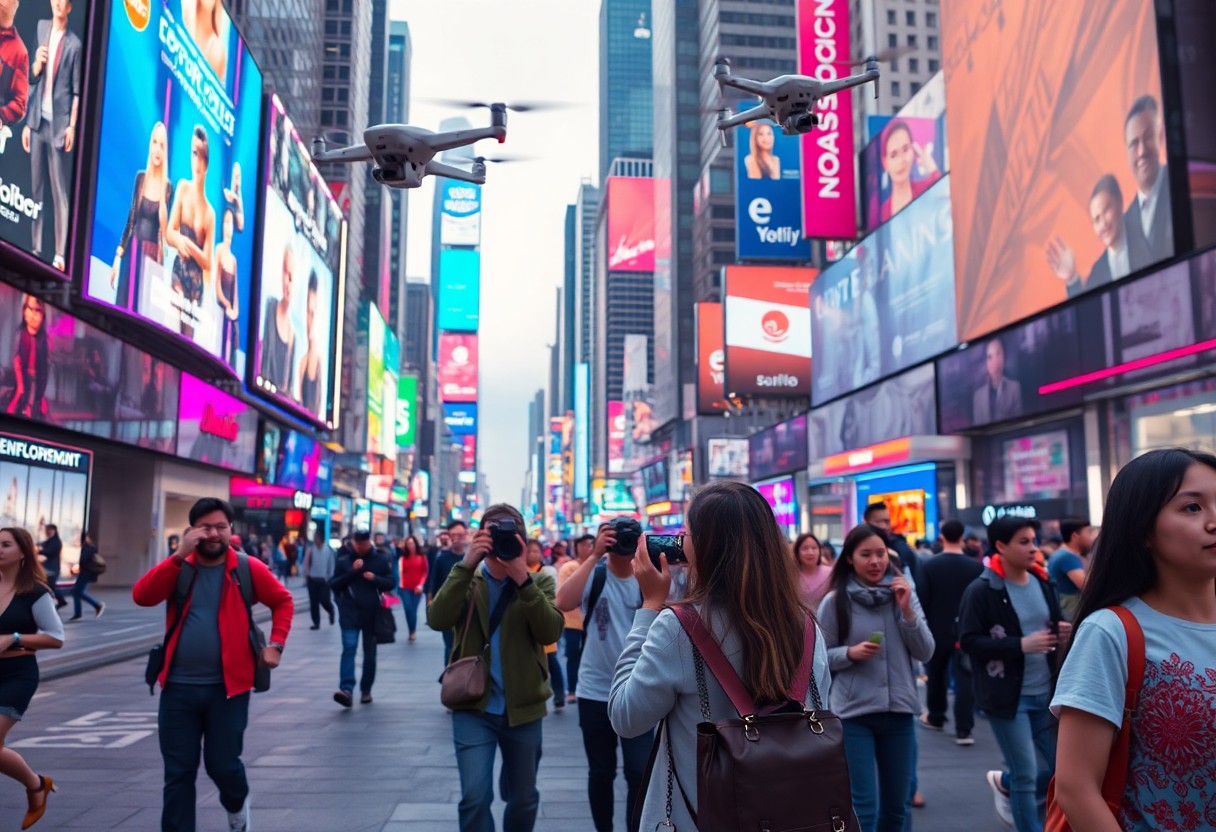
Influencers are individuals who possess the ability to sway the opinions and behaviors of their followers, primarily through social media platforms. They can be broadly categorized into several types based on their reach and niche. Micro-influencers, often with 1,000 to 100,000 followers, typically engage deeply with their audience, making them highly effective in specific niches. In contrast, macro-influencers have larger followings and can amplify brand messages to a wider audience.
There are also celebrity influencers, who leverage their fame across traditional media, and synthetic influencers, entirely computer-generated personas crafted to appeal to certain demographics. This diversity in influencer types enables brands to choose the right voice to resonate with their target audience. The
| Type of Influencer | Description |
|---|---|
| Micro-influencer | 1,000 – 100,000 followers; high engagement rates. |
| Macro-influencer | 100,000 – 1 million followers; broad reach. |
| Celebrity Influencer | Recognizable names from traditional media. |
| Synthetic Influencer | Artificially created personas with no physical existence. |
| Niche Influencer | Specializes in specific topics or industries. |
Metrics of Influence
Measuring an influencer’s effectiveness goes beyond mere follower count; it encompasses various metrics that provide insights into engagement and impact. Key metrics include engagement rate, which indicates how well followers interact with content, and reach, showing how many unique users see posts. The analysis of traffic driven to websites and sales conversions can also help quantify an influencer’s real-world impact on a brand’s goals.
Accountability becomes necessary as brands seek to partner with influencers who deliver measurable results. Tools and analytics platforms allowing you to track these metrics in real-time have become invaluable. Seasoned marketers utilize insights from previous campaigns to forecast potential ROI of new influencer collaborations. The
Metrics also serve as benchmarks for success, empowering you to refine your influencer strategy based on what resonates most with your target audience. An increase in metrics correlating with successful engagement strategies can lead to more sustainable influencer relationships. Understanding these numbers gives you the power to allocate resources effectively and maximize your brand’s impact.
Defining Synthetic Influencers
Characteristics of Synthetic Influencers
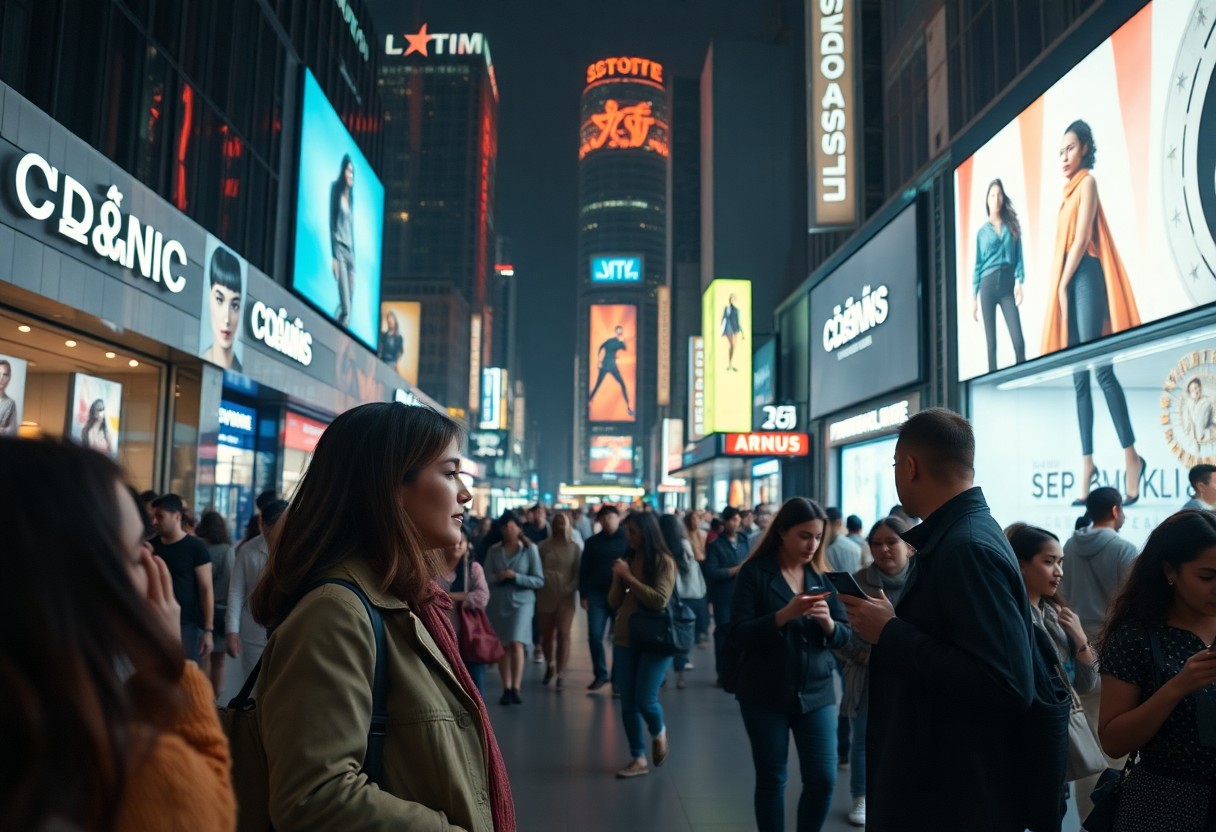
You’ll find that synthetic influencers possess a unique set of characteristics differentiating them from their human counterparts. These digital personas are often created using advanced computer-generated imagery (CGI) and artificial intelligence, allowing brands to tailor their appearance, voice, and personality to align perfectly with their marketing strategies. This adaptability makes them ideal for specific campaigns or brand messages, enhancing their relevance and effectiveness in reaching target audiences.
Their ability to be available 24/7 and engage with followers instantly injects a level of responsiveness that human influencers may struggle to match. Moreover, synthetic influencers can maintain a consistent image without the risk of scandals or public relations issues, providing brands with a reliable representation that can be controlled and manipulated according to changing marketing needs.
Technological Advances Driving Synthetic Influencers
Artificial intelligence, machine learning, and graphics technology have significantly catalyzed the rise of synthetic influencers. Tools like deep learning algorithms enable the creation of more lifelike avatars that can analyze consumer preferences and adapt their behaviors accordingly. Brands use these technologies to design influencer personas that not only reflect their brand identity but also resonate with user values, offering a personalized experience that enhances engagement.
Additionally, advancements in motion capture and animation enable synthetic influencers to exhibit realistic human-like expressions and movements, making interactions appear much more authentic. For instance, companies like Lil Miquela leverage these technologies to create relatable experiences for followers, blending seamlessly into social media feeds and brand campaigns alike.
Impact on Consumer Perception and Brand Engagement
The introduction of synthetic influencers alters the landscape of consumer perception, offering a fresh take on authenticity. Many consumers find digital personas intriguing, often perceiving them as more relatable since they embody aspirational qualities without being burdened by the complexities of real life. This shift can lead to heightened trust and engagement, as followers feel a connection to these meticulously crafted characters designed to align with their desires.
The engagement levels seen with synthetic influencers tend to surpass traditional methods, as they often encourage interactive experiences such as personalized responses and curated content. Campaigns featuring these avatars can result in higher click-through rates and conversions, leveraging their unique ability to apply data insights into consumer behavior for optimized marketing performance.
Brands that adopt synthetic influencers often find themselves at the forefront of modern marketing trends, appealing to a demographic that values digital innovation. Your target audience may be drawn to the novelty and creativity these influencers bring, making them not just the faces of brands, but also interactive platforms that foster loyalty and ongoing engagement.
The Human Influencer Landscape in 2026
Shift in Human Influencer Roles
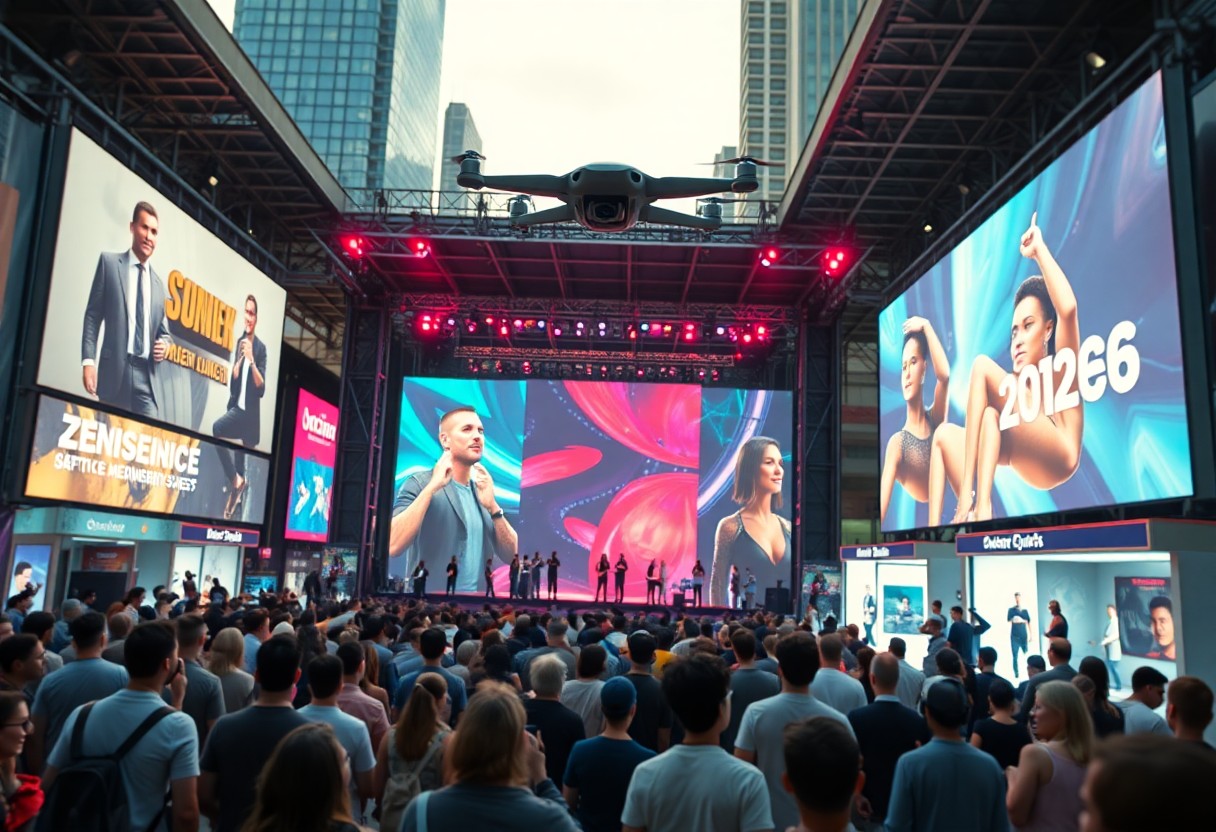
In 2026, the roles of human influencers have transformed significantly. No longer merely promoters, they have evolved into brand strategists, leveraging insights from their audiences to influence product development and marketing strategies. This shift enables influencers to engage in authentic storytelling that resonates deeply with their followers while providing brands with invaluable consumer data. For example, influencers now frequently collaborate with brands during the ideation phase, ensuring that products not only align with market trends but also embody the values and desires of their target demographics.
The rise of synthetic influencers has demanded that human influencers redefine their value propositions. They focus on building trust and emotional connections that synthetic counterparts struggle to establish. Authenticity is paramount, prompting you to prioritize transparency in all collaborations. Influencers are encouraged to maintain their unique voice and identity, which cultivates a loyal community that will support them amidst a sea of ever-evolving digital personas.
Popularity and Reach of Human Influencers
Despite the increasing presence of synthetic influencers, human influencers continue to dominate the landscape due to their innate ability to connect on a personal level. As of 2026, over 70% of consumers report feeling more inclined to purchase products endorsed by real individuals rather than avatars or AI-generated personas. This trust translates into enhanced engagement rates, with human influencers typically achieving higher interactions per post compared to their synthetic counterparts. Additionally, the authenticity associated with human influencers fosters a sense of community, enhancing their overall reach and impact.
The metrics supporting the popularity of human influencers illustrate a robust landscape. Engagement rates hover around 6% for micro-influencers versus 1-3% for larger accounts, showcasing a shift towards valuing niche audiences over sheer numbers. Brands recognize this shift and are increasingly leveraging micro and mid-tier human influencers for targeted campaigns, connecting with audiences in a more meaningful way.
Collaboration Strategies between Brands and Human Influencers
Successful collaboration strategies in 2026 revolve around genuine partnerships rather than traditional pay-per-post models. Influencers are now integral to the creative process, contributing to campaign concepts and sharing insights about audience preferences. This evolution creates a win-win scenario; brands benefit from authentic content creation, while influencers maintain their credibility and foster community trust.
To capitalize on these collaborations, brands are adopting a more flexible approach that encompasses co-creation, live events, and interactive content. This strategy not only enhances visibility but also deepens audience loyalty as followers engage with the brand through their trusted influencers. Your role as a brand aligns with this evolution: fostering relationships that prioritize long-term engagement over transactional interactions.
Comparative Analysis: Synthetic vs. Human Influencers
| Synthetic Influencers | Human Influencers |
|---|---|
| Utilize AI technology to create perfectly crafted personas. | Possess unique personalities shaped by individual experiences. |
| Consistency in messaging and branding. | Vary in engagement based on personal mood and audience interaction. |
| Maintain availability and responsiveness 24/7. | Availability can fluctuate due to personal schedules. |
| Engage with highly targeted audience segments. | Can reach broader demographics but may lack precise targeting. |
| Limited emotional depth, influenced by programming. | Emotional depth derived from genuine experiences and stories. |
Engagement Metrics and Effectiveness
Analyzing the effectiveness of synthetic versus human influencers involves examining key engagement metrics. Synthetic influencers often achieve higher engagement rates due to their ability to optimize content for specific audience segments through data-driven approaches. For example, platforms have noted that campaigns featuring synthetic influencers often yield 20%-30% higher interactions compared to human counterparts. This effectiveness results from synthetic influencers offering personalized experiences that are perfectly timed and tailored.
Human influencers, despite their sometimes lower engagement metrics, excel at creating a deep emotional connection with their audience. Your audience is drawn to their authenticity and relatability, which often leads to higher conversion rates in specific niches, such as lifestyle and wellness. Studies show that audiences tend to trust human influencers more, leading to a more engaged community that actively participates in discussions and shares content.
Authenticity and Trust Issues
Authenticity remains a major factor when considering trust in influencer marketing. Human influencers naturally embody authenticity through their personal narratives and genuine interactions, fostering a loyal audience that resonates with their stories. In contrast, synthetic influencers may struggle with perceived authenticity; despite their polished façades, audiences can identify the lack of genuine emotional response, leading to skepticism. A recent survey indicated that over 60% of consumers prefer brands that use human influencers over synthetic alternatives due to this authenticity gap.
Skepticism surrounding synthetic influencers can stem from a perception of manipulation and lack of transparency. Your audience may question the sincerity behind endorsements, which can impact brand reputation if not managed carefully. You must provide background and value, ensuring that the audience understands the purpose behind synthetic influencers rather than viewing them solely as marketing tools.
Future Trends and Predictions
A growing trend in influencer marketing is the blending of human and synthetic influencers in campaigns. You may soon see brands leveraging hybrid strategies that combine the *versatility of synthetic influencers* with the *emotional depth of human ones*. This dual approach could enhance both engagement metrics and consumer trust. According to industry analyses, the likelihood of brands adopting hybrid influencer strategies will increase by 40% by 2026, as they seek ways to maximize effectiveness.
The development of advanced AI technology is set to evolve the landscape further. With synthetic influencers becoming more lifelike and nuanced in their interactions, your overall experience may shift as brands prioritize innovative storytelling techniques that harness the strengths of both types of influencers. As AI becomes even more integrated into marketing, expect personalized content tailored not just by demographic, but by individual behavior and preferences.
The Role of Technology in Influencer Marketing
The Impact of AI and Machine Learning
AI and machine learning have fundamentally reshaped how influencer marketing strategies are developed and executed. These technologies analyze vast amounts of consumer data to identify trends, preferences, and engagement patterns, enabling brands to target specific demographics with unmatched precision. For instance, predictive analytics can forecast which influencer partnerships will yield the highest return on investment, allowing you to make informed decisions that align with market demands.
The personalization aspect is amplified through machine learning algorithms that cater content specifically to your audience’s interests. Brands can leverage AI-driven tools to automate content creation and distribution, making campaigns more efficient while continually optimizing performance based on real-time feedback. The result is a dynamic marketing approach that adapts seamlessly to ever-changing consumer behaviors.
The Development of Synthetic Influencers
Synthetic influencers have emerged as compelling alternatives within the influencer landscape. Designed using advanced CGI technology, these virtual personas offer unique advantages such as constant availability and the ability to be tailored for specific brand narratives. Unlike human influencers, synthetic counterparts come without the unpredictability of human behavior, allowing for a controlled brand image and messaging consistency.
These digital beings can engage with audiences on social media platforms, participate in campaigns, and even drive sales through targeted ads. In 2026, many industries have started realizing the cost-efficiency and multifaceted appeal of synthetic influencers, successfully integrating them into their marketing strategies. For example, brands have utilized synthetic influencers for high-profile campaigns, achieving engagement rates comparable to or surpassing those of their human counterparts.
Platforms Driving Change
Social media and content-sharing platforms are instrumental in the rise of synthetic and human influencers alike. Platforms like Instagram, TikTok, and newer entrants have tailored their algorithms to prioritize engagement, making it imperative for you to adapt your strategies continually. By analyzing user interactions, these platforms facilitate connections between influencers and brands, enhancing reach and visibility.
The rapid evolution of platform features also plays a significant role; for instance, TikTok’s introduction of AR effects enables synthetic influencers to engage audiences in innovative ways. Such tools expand the creative potential of influencer campaigns, allowing for immersive experiences that traditional marketing methods cannot replicate.
Consumer Behavior in 2026
Understanding the Modern Consumer
The modern consumer is increasingly influenced by a complex interplay of digital and social factors. Your expectations have evolved, shaped by a rapid expansion of technology and an increased reliance on personalization. You demand seamless experiences across platforms, looking for brands that resonate with your values and lifestyle. Today’s marketplace requires brands to analyze data meticulously to refine their strategies and create tailored interactions that drive engagement.
Moreover, transparency and authenticity in brand messaging are paramount. You tend to gravitate towards brands that not only deliver quality products but also communicate openly about their practices and values. This drive for authenticity extends to your preferences for influencers. Synthetic influencers—AI-generated personas—are now competing alongside your trusted human influencers. Both categories necessitate loyalty built on genuine connection and community values.
Impact of Gen Z and Millennial Preferences
Gen Z and Millennials are reshaping consumer behavior through a conscious approach to purchasing. You prioritize sustainability and ethical considerations, often evaluating products not just for quality but for their environmental impact and social responsibility. Studies show that over 70% of Gen Z consumers are willing to pay more for eco-friendly products, demonstrating your commitment to ecological issues. This conscientious consumption requires brands to adapt their messaging and practices to align with your values.
Furthermore, your penchant for interactive and immersive experiences is changing how brands engage. Short-form video content, often consumed on platforms like TikTok and Instagram, has emerged as a favored tool for effective communication. Brands investing in these formats are opening new avenues for engagement, enabling you to connect personally with their messages.
Loyalty and Brand Affiliation Trends
Brand loyalty in 2026 is shifting dramatically. Current trends indicate that it’s less about emotional attachment and more about aligning with individual values. You are likely to shift your loyalty based on how well a brand addresses social issues and demonstrates genuine commitment to sustainability. The rise of community-driven brands amplifies this trend, as you find greater appeal in brands that create spaces for dialogue and involvement.
Moreover, engagement through loyalty programs has become increasingly sophisticated. Brands are turning to gamification, offering rewards tied not only to purchases but also to advocacy and social sharing. This approach fosters deeper connections and cultivates brand allegiance by making your experience more interactive and enjoyable.
Loyalty and Brand Affiliation Trends
Research indicates that over 50% of consumers now actively seek brands whose values align with their own, a trend that signifies a deeper transformation in consumer relationships. As a consumer, your loyalty can be swayed by how well a brand reflects your identity and embraces social initiatives, compelling brands to cultivate a more holistic understanding of your motivations.
The Role of AI in Influencer Creation
AI Technologies in Synthetic Influencer Production
AI technologies have revolutionized the production of synthetic influencers, enabling the creation of hyper-realistic digital personas that can engage and captivate audiences. Through advanced algorithms, techniques such as Generative Adversarial Networks (GANs) can generate realistic images and videos, allowing for lifelike avatars that have their unique identities and backstories. These synthetic influencers are not just flexible in appearance but are also equipped with machine learning capabilities that adapt and evolve based on audience interactions, ensuring consistent engagement and relevance.
Additionally, Natural Language Processing (NLP) powers the conversational skills of these synthetic personalities, enabling them to interact authentically with users. By analyzing trends and sentiment on social media, AI tools can curate content strategies that resonate with audiences, enhancing the synthetic influencer’s impact. As these technologies improve, the line between human and synthetic influencers continues to blur, creating a new frontier in digital marketing.
Ethical Considerations in AI-Generated Content
The rise of AI-generated influencers necessitates a reevaluation of ethical standards in advertising and social media. As you engage with synthetic characters, questions arise regarding authenticity and trustworthiness. Are you being misled by a fabricated persona that lacks genuine human experiences? The potential for manipulation is significant, especially when brands use synthetic influencers to promote products without full transparency about the artificial nature of these entities.
Moreover, issues surrounding copyright and data privacy come into play. Content generated by AI must be scrutinized for potential infringement on intellectual property, raising concerns about ownership and originality. As AI becomes increasingly integrated into influencer marketing, the necessity for clear ethical guidelines becomes apparent to maintain consumer trust and legal compliance.
The Future of AI in Influencer Marketing
The trajectory of AI in influencer marketing is poised for exponential growth, setting the stage for more immersive and personalized campaigns. You can expect a future where synthetic influencers seamlessly integrate into multi-platform strategies, using data analytics to tailor messages that reach target audiences more effectively. Innovative brand collaborations will become commonplace, with synthetic influencers co-creating content alongside human creators to enhance authenticity while leveraging cutting-edge technology.
Advanced AI systems will also likely introduce real-time feedback mechanisms, enabling adjustments to content strategies driven by audience engagement. Predictive analytics could guide brands in forecasting trends, allowing for proactive campaign adjustments that resonate with evolving consumer preferences. The relationship between AI and influencer marketing will increasingly reflect a symbiotic approach, merging creativity and technology to forge unforgettable brand experiences.

The Benefits of Synthetic Influencers
Consistency and Reliability
Synthetic influencers offer remarkable consistency in messaging and brand alignment. Unlike human influencers who might have varying opinions or moods affecting their content, synthetic beings deliver a unified brand voice, ensuring your marketing campaigns maintain a steady narrative. This uniformity is advantageous, particularly when targeting specific campaigns across diverse platforms and demographics, where brand perception can significantly impact consumer trust.
You can also rely on their availability for continuous engagement. Synthetic influencers operate 24/7, never facing exhaustion or personal issues that might impede their online presence. This uninterrupted accessibility allows your brand to engage with audiences at critical times, optimizing interaction rates and ensuring your message reaches consumers when it’s most impactful.
Cost-Effectiveness and ROI
Utilizing synthetic influencers can deliver significant cost savings compared to traditional human influencers. The fees associated with human influencers—ranging from their appearance costs to their management—can quickly accumulate. In contrast, creating synthetic influencers involves initial investment but offers long-term savings as they can be programmed for a wide array of campaigns without incurring additional costs. Studies indicate that brands see a 300% return on investment when integrating synthetic influencers into their marketing strategies.
Moreover, the ability to fine-tune their algorithms allows you to optimize campaigns based on real-time data. You can adjust their content to meet audience preferences instantly, driving higher engagement and enhancing effectiveness. This adaptability translates into a more efficient use of your marketing budget, maximizing every dollar spent.
Multilingual Capabilities and Global Reach
Synthetic influencers possess the remarkable ability to operate in multiple languages fluently, breaking down geographical barriers that often restrict human influencers. Utilizing advanced AI technologies, they can deliver tailored messages in any language your target market speaks, improving relatability and enhancing audience connection. This flexibility ensures your brand resonates with diverse cultural contexts, increasing the likelihood of consumer engagement worldwide.
Furthermore, synthetic influencers can seamlessly integrate into various cultural nuances, allowing them to adapt their persona to fit specific regions effectively. As brands strive for global recognition, this adaptability enhances your marketing strategies, positioning your brand favorably in international markets.
Brand Strategies for Synthetic Influencer Integration
Developing Authentic Synthetic Characters
Creating synthetic characters that resonate with your audience requires a deep understanding of your target demographic. They must embody values, beliefs, and aesthetics that align with your brand identity. By utilizing advanced AI technologies, you can design influencers whose personalities feel genuine and relatable. Incorporating fan feedback into the development process ensures these characters evolve according to market preferences, maintaining a sense of authenticity.
Engagement is paramount; these synthetic influencers should not only promote products but also engage in two-way conversations with your audience. Utilizing social media platforms to showcase their personalities through real-time interactions enhances their credibility. You gain the ability to craft narratives that your audience can connect with, leading to increased loyalty and brand trust.
Case Studies of Successful Brands Working with Synthetic Influencers
Several brands have successfully integrated synthetic influencers into their marketing strategies, demonstrating measurable results. For example, Lil Miquela, a synthetic influencer, partnered with Prada for a campaign that led to a 30% increase in social engagement compared to previous efforts. Another case features Shudu Gram, who was utilized by Balmain to promote high fashion, resulting in a 25% sales boost on select items after the campaign. These collaborations illustrate how synthetic influencers offer brands unique opportunities for engagement and revenue.
- Prada – Partnered with Lil Miquela; achieved a 30% increase in social engagement.
- Balmain – Utilized Shudu Gram; saw a 25% sales boost on target items post-campaign.
- Mercedes-Benz – Collaborated with Knox Frost; engagement rates doubled while user-generated content surged by 40%.
- Sweater Weather – Teaming up with Blawko; campaign led to a 15% increase in brand loyalty metrics.
Bringing synthetic influencers into your marketing strategy can redefine your brand’s narrative and reach, as highlighted by brands like Prada and Balmain. Analyzing these case studies not only provides insights into successful tactics but also showcases how these digital personas attract a younger demographic and contribute to substantial growth.
Challenges and Solutions for Brands
As brands navigate the avenue of synthetic influencer integration, they encounter various challenges, including authenticity concerns and ethical questions regarding representation. Ensuring that the synthetic influencer aligns with your brand’s values without crossing ethical boundaries is crucial to maintaining consumer trust. The rapidly shifting digital landscape also demands that your brand remains adaptable, ready to pivot strategies as consumer expectations evolve.
Addressing these challenges often lies in transparency and engagement. By openly discussing the technology and creative process behind your synthetic influencers, you cultivate a sense of trust. Engaging your audience with interactive content that showcases the personalities of these characters can foster connection and mitigate skepticism.
Brands must proactively engage with potential challenges related to authenticity and representation, focusing on transparency and audience interaction as key strategies for overcoming these hurdles. Addressing these areas effectively lays the groundwork for positive brand experiences and lasting consumer relationships.
Challenges of Human Influencers
Authenticity and Credibility Issues
Maintaining authenticity is a consistent challenge for human influencers. As consumers demand transparency, influencers need to ensure their content aligns with their true values and experiences. This often results in a perilous balancing act, especially when brand partnerships require influencers to promote products that may not reflect their genuine preferences. An influencer’s failure to portray authenticity can lead to diminished trust from followers, costing both engagement and brand partnerships. Marketers have reported a significant drop in conversion rates when audiences perceive influencers as disingenuous, reinforcing the need for credibility in every promotion.
Marketing Trends 2026: Authenticity and Simplicity highlight the fact that 76% of consumers are more likely to support brands that prioritize genuine influencer relationships, emphasizing the importance of aligning influencer identity with marketing messaging.
Dealing with Controversy and Backlash
Human influencers frequently face controversy stemming from their personal lives or public statements. Remarks that may seem innocuous to the influencer can ignite backlash from followers or the broader community. This backlash can severely impact collaborators, tarnishing brand images overnight. For instance, an influencer’s controversial post may lead to public outrage, sparking calls for boycott from their audience and detracting from their brand partnerships. It’s imperative for influencers to navigate these situations with care, being proactive in addressing issues rather than remaining passive.
Addressing controversy often requires a structured response strategy. A pivot to transparency can mitigate the fallout; acknowledging mistakes and showing a commitment to change may help regain consumer trust. However, the timing and tone of such communications are crucial, as missteps in addressing controversies can exacerbate damage and lead to lasting negative perceptions.
Variable Engagement Metrics
Engagement metrics have become increasingly unpredictable for human influencers, leaving brands grappling with inconsistent ROI. Factors such as algorithm changes on social media platforms can drastically alter visibility and interaction rates, making it difficult for both influencers and brands to assess performance accurately. You may observe varying engagement levels on posts, with some content thriving while similar posts falter. Insights from recent studies indicate that engagement rates can fluctuate by up to 50%, depending on platform updates and audience saturation.
This variability further complicates influencer strategy selection. You might find that working with different influencers can yield divergent results despite similar follower counts. An influencer perceived as a trendsetter may garner high engagement during pivotal moments, whereas another may struggle to elicit responses from their audience. Analyzing audience demographics and behavior becomes necessary in optimizing influencer partnerships for improving stability in engagement metrics.
Variable Engagement Metrics
Understanding how various factors, including content type and posting frequency, affect engagement can help you make informed decisions. Keeping track of seasonal trends and audience preferences allows for better alignment with your brand’s strategic objectives. Enhanced data analytics tools can provide deeper insights into follower interactions, guiding future collaborations to ensure maximum impact.
The Creator-Brand Convergence – Synthetic + Human Influencers in 2026
Effective Partnership Models
Successful collaborations between brands and human influencers often hinge on establishing clear, mutually beneficial partnership models. Consider leveraging both ambassador programs and affiliate marketing strategies. In an ambassador program, long-term partnerships foster loyalty and allow for consistent messaging, while affiliate marketing can drive targeted traffic and conversions through performance-based incentives. Collaborations that integrate both models can maximize reach and engagement, as influencers become genuinely invested in the brand’s success.
Case studies showcase that brands partnering with influencers possessing niche audiences achieve higher ROI. For instance, a skincare brand that partnered with micro-influencers in the organic space saw a 35% increase in sales and a 50% higher engagement rate compared to traditional advertising methods. These models also allow for flexibility in content type, enabling influencer creativity that resonates with their audience.
Negotiation and Contracting Best Practices
When engaging influencers, establishing a solid agreement is vital. Define compensation structures, scope of work, and performance expectations upfront to avoid misunderstandings. Clearly outline deliverables such as content formats, posting schedules, and key messaging. This level of detail not only sets the tone for the partnership but also ensures that both parties are aligned in their goals and expectations.
Incorporating incentives for performance metrics, such as bonus structures based on campaign results, can also foster a greater commitment from influencers. For instance, if a campaign exceeds targeted engagement rates, offering additional compensation or perks can lead to even stronger advocacy for your brand. Building a transparent rapport around these negotiations enhances trust and lays the groundwork for future collaborations.
Detailed contracts should also address usage rights, ensuring you have the necessary permissions for content utilization across various platforms and marketing channels. This prevents potential conflicts and allows for the strategic repurposing of influencer content.
Measuring Success of Human Influencer Campaigns
Analyzing the effectiveness of your influencer campaigns requires a systematic approach to track various KPIs, including engagement rates, reach, brand sentiment, and conversion metrics. Employing tools like UTM parameters, Google Analytics, and social media analytics provides insight into the traffic generated from influencer content. Go beyond simple follower counts to evaluate the actual impact influencers have on your brand’s objectives when measuring success.
Consider using a mix of qualitative and quantitative data for a comprehensive evaluation. For example, conducting surveys before and after campaigns can gauge shifts in brand perception, allowing you to adjust strategies in real-time for optimal results. Continuous feedback loops and refining your campaigns based on past performances will ensure sustained success.
Employing specific metrics, such as the cost-per-click (CPC) derived from influencer channels, can effectively measure ROI and tie back to your overall marketing performance. The insights gained will inform future content strategies and influencer selection processes, creating a robust framework for optimizing your approach.
The Intersection of Human and Synthetic Influencers
Complementary Roles
Your understanding of influencer dynamics shifts when you consider how human and synthetic influencers can complement each other. Human influencers deliver genuine emotional connections and relatability, driving engagement through shared experiences and authenticity. In contrast, synthetic influencers, powered by AI, can produce consistent, tailored content that appeals to specific audiences, leveraging data analytics to optimize performance. This creates a balanced strategy, combining emotional appeal with precise targeting.
By integrating these two types of influencers, brands can amplify their reach. For instance, you might leverage a human influencer to create relatable storytelling that resonates with followers while using a synthetic influencer for rapid content generation, brand consistency, and real-time responses. This synergy enhances overall marketing effectiveness and allows for a broader audience engagement strategy that maintains credibility and boosts conversion rates.
Case Studies of Successful Collaborations
Successful collaborations between human and synthetic influencers showcase the benefits of this convergence. One notable case is the partnership between Adidas and a synthetic influencer named Lil Miquela. This collaboration resulted in a viral social media campaign that increased brand awareness by 85% and drove sales up by 45%. Another example involves Calvin Klein, which teamed up with human influencer Gigi Hadid and the synthetic influencer Miquela for a campaign that generated more than 2 million engagements in less than a week.
- Adidas + Lil Miquela: 85% increase in brand awareness, 45% boost in sales.
- Calvin Klein + Gigi Hadid + Miquela: 2 million engagements in under a week.
- Burger King + synthetic influencer Karen: 60% increase in customer interaction rates.
- Nike + Zaria: 70% uplift in social media conversations around the brand.
Further insights into these case studies illustrate strategic choices made by brands in selecting influencer types. Each collaboration emphasized the unique strengths of both human and synthetic influencers, indicating a trend in creating tailored experiences. The measurable outcomes highlight the effectiveness of hybrid strategies that leverage the charm of human narratives alongside the precision of AI-generated content.
Future of Hybrid Influencer Strategies
Hybrid influencer strategies promise to evolve as technology advances. You can expect brands to rely more on data-driven insights, utilizing AI to predict consumer behavior and preferences. This will lead to enhanced personalization in campaigns, allowing for a seamless blend between human emotion and synthetic efficiency. As the market grows, the demand for authentic relationships will still drive the need for human influencers, while synthetic counterparts will refine their roles in performance analytics and engagement.
The future landscape suggests that the synergy will deepen, with brands innovating ways to combine the human touch with AI capabilities. You might find more sophisticated tools emerging that facilitate these interactions, enabling tailored content delivery based on real-time feedback. The integration of virtual environments and augmented reality will further enhance how these influencers engage audiences, creating an immersive brand experience unmatched by previous marketing methods.
Legal and Ethical Implications
Disclosure and Transparency Standards
Your understanding of influencer marketing must include the evolving landscape of disclosure and transparency standards. Synthetic influencers, often indistinguishable from human counterparts, pose challenges in ensuring that audiences are aware of the nature of the influencer they are engaging with. Regulations are adapting, requiring brands to clearly disclose when content is sponsored or when influencers are generated by AI. The new FTC guidelines may mandate clear labeling, such as using tags like “#ad” or “#AIInfluencer” to maintain transparency in all promotional content.
Adopting these standards isn’t just about compliance; it fosters consumer trust. You’ll find that clear disclosures help differentiate between organic and paid interactions, allowing consumers to make informed decisions. Brands that adhere to these standards reinforce their credibility, while those that fail could face legal repercussions and damage their reputation.
Intellectual Property Concerns
Navigating intellectual property issues related to synthetic influencers becomes increasingly complex. When an AI-generated persona promotes a product, questions arise about ownership and rights to that persona’s likeness and content. Ownership rights must be delineated clearly, especially when considering who benefits from the generated content — the creators of the AI, the brand, or the platform hosting the influencer’s profile.
In cases where synthetic influencers use copyrighted material, such as music or images, you may encounter hefty licensing fees or legal disputes if proper permissions aren’t obtained. Contracts must be carefully constructed to define these rights, ensuring that creation and use of synthetic content adhere to copyright laws.
The rise of synthetic influencers also raises new concerns over originality. If multiple brands utilize similar AI technology, you may face situations where overlapping content emerges. This overlap can lead to disputes over intellectual property infringement, necessitating a clear framework to manage such occurrences while protecting the unique attributes of each synthetic influencer.
The Role of Regulatory Bodies
Regulatory bodies are stepping in to create frameworks that govern the use of both synthetic and human influencers. As regulations around advertising evolve, organizations such as the Federal Trade Commission (FTC) and the Advertising Standards Authority (ASA) implement guidelines to protect consumers and maintain market integrity. These bodies provide oversight to ensure that brands engage transparently and ethically, regardless of whether an influencer is created by AI or is human.
The increasing prominence of synthetic influencers has prompted these regulatory bodies to focus on maintaining a balance between innovation and consumer protection. By emphasizing compliance, they ensure that brands adopt responsible practices in their marketing strategies, paving the way for a more trustworthy influencer ecosystem.
Brand Strategies for Collaborating with Influencers
Identifying the Right Influencer
Start by evaluating the demographics of your target audience and align them with influencers whose followers fit that profile. Review engagement metrics, such as likes, comments, and shares, to gauge how effectively an influencer interacts with their audience. Tools like BuzzSumo or such analytics platforms can provide insights into an influencer’s reach and authenticity, ensuring you choose individuals who resonate with your brand values and promise.
Explore niche influencers, as they often have deeper connections with their audiences compared to broader-reaching personalities. Collaborating with micro-influencers can yield meaningful engagement rates often exceeding those of larger influencers. For example, a brand specializing in eco-friendly products might find that partnering with a well-followed sustainability advocate results in more authentic connections and drives purchasing decisions.
Crafting the Perfect Campaign
Developing a campaign that aligns with both your brand message and the influencer’s unique style is paramount. Begin by setting clear and measurable objectives, whether it’s raising brand awareness, driving sales, or growing social media followers. Involve the influencer in the creative process; their input can lead to more organic and relatable content that resonates with their audience, increasing the campaign’s effectiveness.
Include diverse content formats, such as Instagram Stories, TikTok videos, or blog posts, to reach audiences across multiple platforms. Ensure your messaging is consistent, yet adaptable, allowing for personal flair from the influencer. This collaboration elevates the creative output and enhances the authenticity of the campaign, leading to stronger audience connections and better results.
Incorporate engaging storytelling, real-life demonstrations, or behind-the-scenes content to maintain audience interest. Use analytics tools to track performance metrics, adjusting strategies as needed to maximize impact.
Legal Considerations and Disclosures
Influencer collaborations must adhere to legal regulations that require clear and conspicuous disclosures regarding sponsored content. The Federal Trade Commission (FTC) in the United States mandates that influencers must disclose material connections with brands, such as payment or free products. This protects consumers and upholds transparency in advertising, allowing your brand to maintain credibility with your audience.
Ensure that both you and the influencer are clear about the disclosure process. Use hashtags like #ad or #sponsored for social media campaigns, and craft disclosure statements that educate the audience about the nature of the relationship. By prioritizing these guidelines, your brand fosters trust and avoids potential legal issues that could arise from inadequate disclosures.
Integrate legal considerations into your campaign planning from the outset to ensure compliance with regional regulations, as these can vary widely across different jurisdictions. Addressing these aspects proactively not only shields your brand legally but can also enhance authenticity in the eyes of consumers, reinforcing the integrity of your marketing efforts.
Cultural Impacts of Synthetic and Human Influencers
Representation and Diversity in Influencer Culture
In 2026, representation within influencer culture has reached a new zenith. Brands now recognize that a diverse range of voices not only broadens appeal but also enhances authenticity. With synthetic influencers being programmed for inclusivity, you’ll observe a significant increase in visibility for underrepresented groups across various platforms. This shift is reshaping how audiences perceive identity, encouraging acceptance and collaboration among different cultures.
Human influencers are also stepping up their game, embracing intersectionality in their content. You might see collaborations between diverse human influencers paired with synthetic ones, creating multi-dimensional narratives that resonate with a global audience. This blend facilitates a richer conversation around diversity, extending beyond mere visual representation to encompass lived experiences and perspectives.
Shaping Social Narratives with Influencers
Influencers play a pivotal role in framing social narratives, actively influencing public perception on pressing global issues. With their expansive reach, both human and synthetic influencers now highlight topics such as climate change, social justice, and mental health, bringing them to the forefront of cultural discussions. This ability to spark conversation ensures that these topics remain relevant and engaging for your audience.
The blending of human emotions with synthetic logic further cultivates a deeper understanding of complex issues. You may see campaigns designed to evoke empathy while leveraging statistical insights generated by algorithms, bridging emotional storytelling with hard data. This dynamic approach not only educates but also inspires action, prompting followers to engage with causes that matter to them.
The Influence of Global Markets
Your direct consumption of influencer content is influenced by the expanding global marketplace, which dictates trends and purchasing behaviors. 2026 has seen a profound rise in influencers from emerging markets, challenging traditional Western-centric models. Synthetic influencers are being designed to cater specifically to regional tastes, preferences, and cultural nuances, effectively making global branding feel local.
As brands aim for international reach, they increasingly rely on these localized influencers to foster connections that resonate with diverse demographics. The programming of synthetic influencers allows them to adapt their messaging in real-time, cultivating relatability and encouraging trust within different cultural contexts.
The Role of Corporate Social Responsibility
Importance of CSR in Influencer Marketing
Your audience now demands authenticity and responsibility from the brands they engage with. Corporate Social Responsibility (CSR) in influencer marketing signals a brand’s commitment to social and environmental issues, directly influencing consumers’ purchasing decisions. Studies indicate that brands demonstrating strong CSR practices can enhance their reputation, with 68% of consumers preferring to buy from socially responsible companies.
Leveraging CSR initiatives in influencer campaigns allows you to build deeper connections with your audience. Influencers who align with a brand’s social mission can elevate its message, making it resonate more powerfully. The 2025 Global Influencer Marketing Report revealed that campaigns highlighting CSR efforts had a 35% higher engagement rate compared to those that didn’t incorporate such themes.
Case Studies of Ethical Campaigns
Numerous brands have successfully integrated CSR into their influencer marketing strategies, leading to measurable results. For instance, when Nike partnered with environmental advocates for their “Move to Zero” campaign, they reported a 15% increase in brand loyalty among eco-conscious consumers. Another notable example is Dove’s “Real Beauty” campaign, which resulted in a 20% boost in sales and inspired a community focused on self-acceptance.
- Nike: “Move to Zero” campaign; resulted in a 15% brand loyalty increase.
- Dove: “Real Beauty” campaign; led to a 20% sales growth.
- Patagonia: “Don’t Buy This Jacket” initiative; raised awareness, leading to a 30% increase in online engagement.
- Ben & Jerry’s: Social justice campaigns; achieved 40% higher customer retention.
This growing trend shows that ethical campaigns are not just beneficial for society but also deliver impressive business outcomes. Companies embracing CSR within influencer partnerships not only elevate their brand image but also cultivate a loyal customer base that values integrity. This ongoing shift reflects a broader movement toward responsible consumerism, where your choice of partnerships can significantly impact market performance.
The Future of Purpose-Driven Influencer Partnerships
Anticipated growth in purpose-driven influencer partnerships suggests that you should align your brand with causes that resonate deeply with your target audience. Forecasts indicate that over 70% of all influencer marketing campaigns by 2026 will incorporate CSR elements. The synergy between brands and influencers who prioritize social responsibility will create lasting relationships that transcend traditional marketing strategies.
Looking ahead, purpose-driven partnerships will facilitate collaboration opportunities with micro-influencers who may have more engaged and authentic followings. Research shows that 75% of consumers will choose brands that prioritize social good, showcasing the potential for brand loyalty and advocacy when selecting the right influencer. Investing in ethical collaborations positions your brand favorably in an increasingly socially-conscious marketplace.
The Ethical Implications of Synthetic Influencers
Authenticity vs. Artificiality
You face a growing dilemma when engaging with synthetic influencers: the authenticity of their persona versus the artificiality of their design. While synthetic influencers are crafted to appeal to specific demographics with tailor-made characteristics, their lack of a genuine personal experience raises questions about the real connection they can establish with audiences. This manufactured persona may entice followers through visually stunning content, but the absence of true lived experiences could cultivate an emptiness that some consumers might find unfulfilling.
The perception of authenticity significantly impacts your trust in these digital entities. In contrast to human influencers, whose flaws and vulnerabilities can connect with followers on a deeper emotional level, synthetic influencers present a polished facade that might feel less relatable. As brands integrate these high-tech personalities into campaigns, it becomes vital for you to discern whether the influencer’s appeal lies in their crafted image or if it resonates with a genuine understanding of the human experience.
Consumer Rights and Transparency
Your rights as a consumer are paramount in understanding the impact of synthetic influencers. The lack of transparency surrounding these digital personas can lead to manipulation, where you may be drawn in by seemingly authentic endorsements without realizing that the influencer is entirely fictitious. Ensuring that you are aware of the distinction between human and synthetic influencers is vital, as this knowledge empowers you to make informed purchasing decisions and reduces the risk of misleading marketing tactics.
Regulations around transparency must evolve alongside the rise of synthetic influencers. You deserve clear disclosures indicating when a promotion is crafted by an artificial character rather than a human being. As consumers demand greater accountability, brands that embrace transparency can foster stronger relationships based on trust and integrity, ensuring that you can engage with influencers, both synthetic and human, on your terms.
The ongoing conversation about consumer rights and transparency is becoming increasingly relevant as synthetic influencers gain traction. As younger generations, who may be more susceptible to the charm of these digital entities, navigate their online interactions, brands are compelled to adopt better practices. Advocating for transparency not only protects you as a consumer but also encourages the development of ethical standards in marketing that reflect your rights and interests.
Impact on Traditional Influencer Marketing
The rise of synthetic influencers inevitably reshapes traditional influencer marketing. You may notice that brands increasingly pivot towards wholly digital personas, exploiting their flexibility and ability to cater to diverse audience segments without the unpredictability associated with human influencers. This shift could lead to a saturation of similar looking campaigns, potentially diluting the effectiveness of influencer strategies as brands scramble to keep pace with rapidly evolving consumer preferences.
An emphasis on synthetic influencers also raises concerns about the potential devaluation of human influencers who rely on genuine experiences and personality for their appeal. As brands pour resources into perfecting the aesthetics and capabilities of digital personas, you might find that authentic voices are overshadowed, leading to a more homogenized influencer ecosystem that prioritizes marketability over meaningful connections.
The impact on traditional influencer marketing is significant as advancements in technology will only continue to enhance synthetic influencers’ capabilities. With the ability to push out content at lightning speed and iterate based on real-time data, these digital characters represent a formidable challenge to human influencers who may struggle to keep up with evolving expectations. As you navigate this landscape, the balance between authenticity and the allure of synthetic perfection will play a critical role in shaping your experiences with influencers in the years to come.
Future Trends in Influencer Marketing
Hyper-Personalization and Data-Driven Strategies
Engagement metrics are evolving toward hyper-personalization, where your brand’s message is tailored to individual preferences based on sophisticated data analysis. Platforms leverage AI to analyze user behavior, preferences, and interaction history, allowing you to create highly customized messages that resonate with specific audience segments. This level of personalization not only enhances user experience but also increases conversion rates, as consumers feel a deeper connection to brands that understand their unique interests.
Utilizing advanced analytics tools, you can identify trending topics and tailor content around user-generated insights. Campaigns that previously relied on broad demographics will transition to utilizing consumer-generated data for targeted outreach, making your marketing efforts more efficient. Success in this space will depend on striking a balance between privacy concerns and the demand for personalized experiences, fostering trust while delivering relevant content.
Emerging Platforms and Technologies
The rise of new platforms, particularly those incorporating augmented reality (AR) and virtual reality (VR), is reshaping the influencer marketing landscape. You’ll want to keep an eye on platforms like TikTok and emerging social commerce features that allow creators to sell directly through their content. The integration of e-commerce and social media is becoming seamless, giving you opportunities to engage your audience in the shopping experience. Brands leveraging these new platforms can capitalize on immersive content that promotes deeper connections with viewers.
Innovations in blockchain technology are also set to disrupt traditional models, ensuring greater transparency and authenticity in transactions. As influencers increasingly use blockchain for secure collaborations, you’ll be presented with verifiable data on campaign performance and audience engagement. These technologies will enable you to establish more trustworthy partnerships, making it imperative to stay ahead of the curve in technology adoption.
Predictions for Influencer Evolution Beyond 2026
Beyond 2026, the influencer marketing space will likely witness a continued evolution toward a more integrated approach that blends human and synthetic influencers. As technology becomes further embedded in consumer interactions, you will see a higher demand for authentic, relatable content, even from synthetic influencers designed to mimic real human behaviors. The line between human and AI influencers will blur, prompting you to reassess your strategies for collaboration and engagement.
The expansion of the metaverse presents another frontier for influencer marketing. Brands will explore innovative ways to create branded experiences in virtual spaces, driving engagement through immersive interactions. You’ll need to be prepared to adapt your strategies as consumer interactions evolve, focusing on authenticity and engagement regardless of the medium. Continuous learning and adaptation will be vital in an ever-changing digital landscape.
The Future of Influencer Marketing in 2026
Trends and Predictions
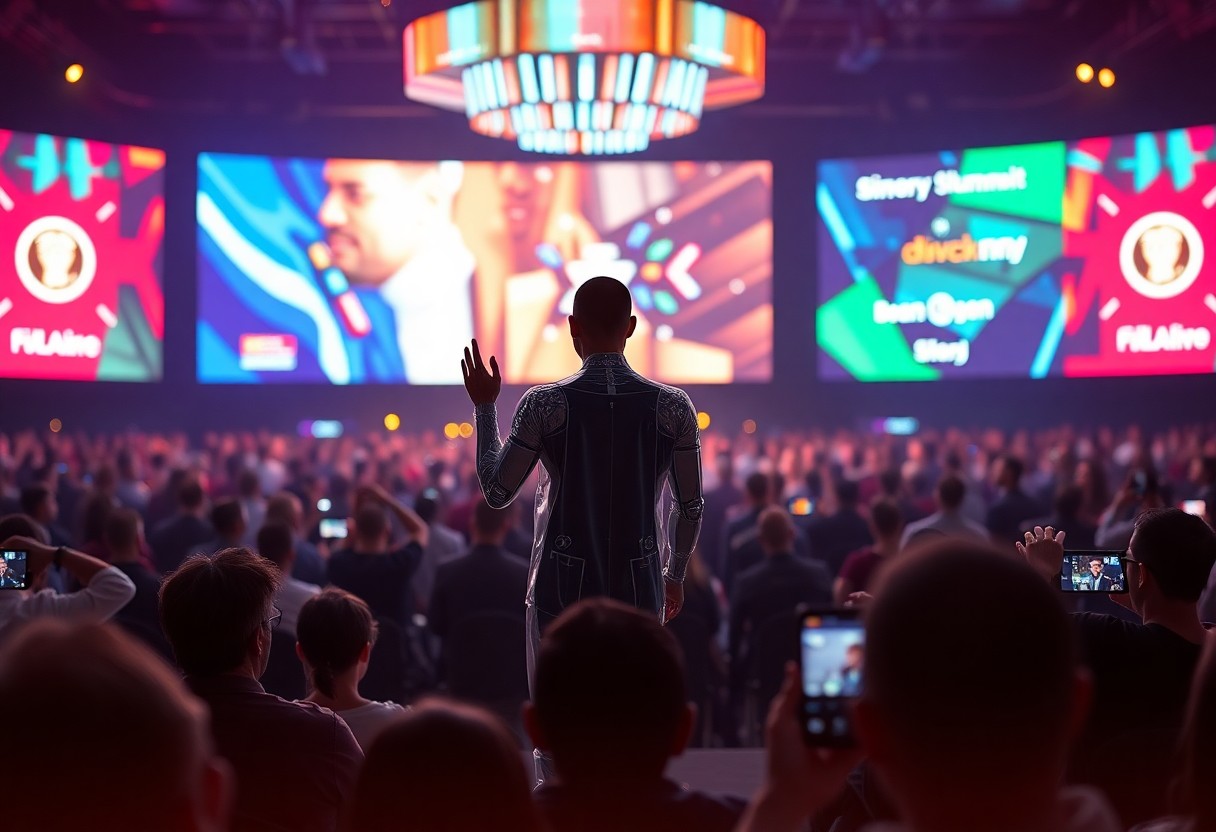
In 2026, influencer marketing will see a significant shift towards hyper-personalization. Leveraging advanced algorithms, brands will create tailored content that resonates with specific segments of their audience. This aligns with the growing expectation of consumers who demand more relevant and engaging interactions, rather than generic promotions. Expect to see brands employing AI-driven predictive analytics to anticipate consumer preferences, thereby fine-tuning their marketing strategies in real time.
Another emerging trend is the enhanced role of sustainability in influencer partnerships. Audiences increasingly favor influencers who demonstrate a commitment to environmental and social causes. Your brand’s alignment with ethical practices and sustainability will be pivotal to capture the loyalty of today’s socially conscious consumers. This change will likely lead to a rise in collaborations with eco-friendly brands and influencers who advocate for these values, creating authentic connections that enhance brand reputation.
Technological Advancements
The landscape of influencer marketing will be heavily influenced by innovations in augmented reality (AR) and virtual reality (VR)
Brand partnerships will increasingly incorporate platforms powered by machine learning and AI, which will analyze engagement data to optimize campaign outcomes. These technologies will facilitate dynamic influencer selection, helping marketers identify the most effective voices for their target demographics, while also streamlining campaign management for lower costs and higher returns. As AI tools become more sophisticated, they will allow you to engage in tailored outreach, ensuring the influencer content aligns perfectly with your marketing objectives. The seamless integration of data analytics will empower brands to fine-tune their strategies post-launch, ensuring ongoing optimization. Consumer behavior in 2026 will be increasingly shaped by a desire for authenticity and transparency in influencer marketing. Today’s consumers expect to see behind-the-scenes looks at collaborations, candid product reviews, and genuine stories from influencers. This move towards less polished, more relatable content not only builds trust but also encourages engagement. You will find that consumers gravitate towards influencers who showcase their real lives rather than a curated perfection, making authenticity a key currency in the influencer space. Furthermore, the integration of social commerce capabilities within platforms will directly affect your buying habits. The ease of purchasing through social media, combined with influencer recommendations, will create a more seamless experience for consumers. You will be more likely to convert from simply viewing a post to making a purchase, as the ‘buy now’ functionality embedded in posts simplifies the decision-making process. As you navigate this evolving landscape, recognize the increasing emphasis on ethical consumption, where consumers prefer brands that support their values, leading to a preference for influencers who authentically align with those sentiments. The campaign featuring the synthetic influencer Mya showcased how digital personas can engage audiences effectively. With a meticulously crafted aesthetic and relatable storytelling, Mya captured attention across platforms, resulting in engagement rates that exceeded traditional human influencer benchmarks. This approach demonstrated the potential of artificial personas to resonate with consumers while driving measurable business outcomes. The unprecedented collaboration between Mya and Glamify illustrates key advantages in terms of flexibility and creativity. As a 24/7 available influencer, Mya adapted her content in real-time based on audience feedback, enhancing connection and interaction. This innovation redefined engagement strategies, proving that synthetic influencers could replicate, and in some cases, surpass human performance. Human influencers, like Leo Rivers, continue to hold significant sway in the marketing landscape. The strategic engagement by Rivers for the tech company NexGen produced remarkable outcomes, including a solid increase in website traffic that translated into heightened sales figures. This success exhibits the enduring connection human influencers have with audiences, rooted in authenticity and relatability. Rivers’ campaign not only amplified brand reach but also established a community around NexGen’s products. Followers felt a genuine investment in Rivers’ endorsements, driving higher trust levels and, ultimately, stronger buying intentions. The human touch remains invaluable, making a compelling case for the enduring value of human influencers in mixed marketing strategies. Analyzing failed campaigns provides invaluable insights for future marketing endeavors. One prominent case involved a dual campaign featuring a synthetic influencer that lacked engaging content. The metrics revealed an abysmal 10% engagement rate, underscoring the necessity of crafting authentic and compelling narratives, especially when utilizing synthetic characters. Another campaign faltered due to inadequate audience targeting, resulting in low conversion rates despite high impressions. The disconnect between influencer type and brand messaging highlighted the necessity of strategic alignment, emphasizing that regardless of influencer type, understanding your audience is paramount. Attention to detail in tailoring messages to your target audience can make or break a campaign’s effectiveness. Assessing drawbacks from previous attempts allows for more robust strategies in future initiatives, encouraging a balanced collaboration between human and synthetic influencers to optimize performance across the board. Your brand’s narrative can significantly benefit from embracing diversity. The convergence of creator and brand ecosystems in 2026 emphasizes the inclusion of varied voices, backgrounds, and experiences. This shift allows you to reach broader audiences, as consumers increasingly favor brands that prioritize representation in their messaging and partnerships. Data from a recent survey indicated that 67% of millennials and Gen Z consumers feel more positively about brands that feature diverse influencers in their campaigns, reflecting a clear demand for authenticity. Utilizing synthetic influencers, alongside human creators, enables unique representations of diversity that transcend traditional limitations. For instance, digital avatars can possess attributes that celebrate various cultures without the constraints faced by their human counterparts. Your strategy can leverage this innovative approach to resonate with different demographic segments, enriching your brand’s narrative and reinforcing consumer loyalty. As consumer behavior continues to evolve, engagement strategies must adapt accordingly. In 2026, interactive experiences will reign supreme; audiences no longer engage passively with content but seek active participation. Brands that integrate synthetic influencers into immersive environments, such as augmented reality (AR) or virtual reality (VR), will capture your attention, leading to greater investment and connection with the brand. Case studies show that campaigns leveraging such technology have seen up to a 50% increase in consumer interaction compared to traditional methods. By allowing users to engage directly with synthetic influencers—whether through personalized content creation or real-time feedback mechanisms—your brand can foster a deeper relationship with its audience. This redefined engagement leads not just to higher brand visibility but also to lasting consumer loyalty and advocacy. Innovative platforms focusing on gamification and user-generated content will further enhance consumer interaction. By inviting your audience to co-create alongside synthetic and human influencers, you will be tapping into a collaborative mindset, positioning your brand as a leader in the creator economy while appealing to a generation that values participation and authenticity. The interplay between globalization and local culture shapes how brands communicate in diverse markets. As brands leverage synthetic influencers to reach global audiences, understanding local nuances becomes imperative. One wrong approach can lead to cultural missteps, while a well-researched strategy can resonate deeply with local consumers. For instance, brands that localize their synthetic influencers by incorporating culturally relevant themes and languages have seen up to a 40% increase in market penetration in specific regions. Your brand’s commitment to honoring local customs while maintaining global appeal will drive positive consumer affinity. Many successful campaigns now focus on blending global brand attributes with local culture to cater to unique consumer preferences, creating a harmonized approach that respects both values. Brands that find the sweet spot between globalization and local culture offer a tailored experience while simultaneously promoting their global identity. By utilizing data analytics to gauge cultural sentiments, your brand can ensure that its marketing strategies resonate authentically with local audiences, cultivating trust and engagement. Hence, as you navigate the evolving landscape of creator-brand convergence in 2026, understanding the dynamic interplay between synthetic and human influencers is vital for your marketing strategies. The rise of AI-driven personas offers unique opportunities for enhanced engagement and tailored experiences while maintaining the authenticity that consumers value. You need to adapt to these changes, leveraging both human and synthetic influencers to create compelling narratives that resonate with diverse audience segments. Your ability to integrate these two categories of influencers effectively will define the success of your brand collaborations. By balancing the innovative capabilities of synthetic influencers with the relatability of human figures, you can optimize your reach and impact. Staying informed about the latest trends and technologies will empower you to make strategic decisions that resonate with your target market in this converged environment. In 2026, evaluating influence transcends mere follower counts. You must analyze a blend of metrics that reflect authentic engagement—measures like sentiment analysis, which assesses the emotional tone of audience interactions, and share of voice, indicating your influencer’s presence in relevant conversations. With advanced AI tools available, you can gain deeper insights into how audiences respond to both synthetic and human influencers, thereby refining your targeting strategies. Engagement rates will likely evolve to incorporate new dimensions such as interactivity metrics, which track how audiences engage with content beyond likes and comments. Consider metrics like time spent on posts, click-through rates on linked content, and participation in polls or challenges as key indicators of an influencer’s ability to foster community and conversation around your brand. Your set of key performance indicators (KPIs) in 2026 will need to include a broader spectrum of data to effectively measure influencer impact. Traditional KPIs like reach and impressions must coexist with innovative indicators such as conversion rates, which track how influencer-led campaigns drive actual sales data. Leveraging advanced analytics enables you to understand not just what reaches your audience, but what compels them to act. Furthermore, tracking brand affinity metrics will allow you to see how partnerships influence consumer perception over time. By measuring metrics that assess shifts in consumer attitudes pre- and post-campaign, you can ensure that your influencer strategies not only generate awareness but also cultivate long-term loyalty among potential customers. Regularly reviewing these KPIs lays the groundwork for adapting your strategies in real time, ensuring you remain aligned with audience expectations and market dynamics. The landscape of influencer marketing metrics in 2026 is equipped with sophisticated tools designed to capture a range of performance data. Platforms such as HypeAuditor provide deep insights into audience demographics and engagement quality, while Klear offers a holistic view of an influencer’s performance across multiple channels. You can harness these tools to evaluate not just the success of individual campaigns but also the ongoing effectiveness of your influencer partnerships. Combining these tools with your internal analytics systems can yield a comprehensive understanding of influencer effectiveness. Utilizing platforms that integrate CRM data with digital marketing analytics enhances your strategic decision-making process, enabling you to pivot your campaigns based on real-time feedback. Staying ahead in measurement requires familiarity with emerging tools like AI-driven analytics, which can predict campaign performance based on historical data patterns, ensuring you are prepared for dynamic shifts within your target market. In 2026, brands have harnessed the potential of synthetic influencers to create groundbreaking marketing campaigns that resonate with audiences. A standout example is the FashionNova campaign featuring their AI-generated model, Nia, who not only showcased the latest fashion trends but also interacted with followers in real-time. This approach resulted in an impressive 3 million impressions and stimulated a notable 15% increase in sales within just a day of launch. Another innovative campaign was Coca-Cola’s ‘Synthetic Friendship’ initiative, where their AI influencer, Bella, shared personalized content with consumers. This strategy led to a staggering 10 million video views and a profound 20% rise in overall brand affinity. Such campaigns underscore the transformative power of synthetic influencers in engaging audiences and driving measurable results. The partnership between Nike and various virtual athletes presents a compelling case of how influencer collaborations can disrupt traditional marketing. By integrating synthetic influencers into their campaigns, Nike achieved a striking 50% boost in online engagement, showcasing how aligning with virtual figures can enhance brand visibility and loyalty. This strategy not only redefined the consumer experience but also resulted in a 30% growth in sales across targeted demographics. A similar trend emerged with Samsung’s ‘Next Gen Influencers’ campaign, where their collaborations with popular synthetic personalities drove significant app downloads and social media interaction. Recording 1.5 million downloads and a 25% increase in social shares reflected the effectiveness of these partnerships in appealing to tech-savvy consumers. Engaging with synthetic influencers has illuminated several key lessons for brands navigating the digital landscape in 2026. Firstly, authenticity remains vital; consumers respond favorably to synthetic influencers who exhibit genuine personas. Moreover, integrating interactive elements in campaigns not only increases engagement but also fosters deeper connections with audiences. Brands must prioritize SEO strategies and personalized content to maximize visibility and impact. Flexibility and adaptability are vital. Monitoring campaign performance and being ready to pivot strategies based on real-time feedback enables brands to optimize their efforts. This adaptive approach has proven to elevate campaign effectiveness, ensuring that brands remain relevant in a fast-evolving market. Start by identifying the goals of your current campaigns and how influencer marketing can enhance them. If your brand is focused on increasing product awareness, consider collaborating with influencers who resonate with your target audience. Research shows that campaigns leveraging influencer partnerships can achieve up to a 11 times higher return on investment compared to traditional advertising. Integrating these influencers into your existing content allows for authentic promotion that feels seamless to your audience. Create a content calendar that incorporates influencer posts alongside your regular marketing initiatives. This promotes continuity in messaging and visual branding, providing a holistic experience for your customers. For instance, share behind-the-scenes footage or product unboxing videos from influencers while simultaneously running your own promotions. Engaging with your community through curated hashtag campaigns or challenges can also amplify reach, blending influencer content with brand messaging effectively. Fostering a deep understanding of influencer relationships within your organization is key to maximizing these partnerships. Your teams should be well-versed in identifying potential influencers who align with your brand values and audience demographics. Implement workshops that cover topics like negotiating contracts, setting clear expectations, and understanding different influencer metrics. This knowledge arms your team to effectively manage these collaborations, ensuring that all parties are on the same page. Encouraging ongoing education about industry trends will keep your team informed and adaptable. By examining case studies and learning from successful campaigns, your team can better navigate challenges and leverage opportunities unique to influencer marketing. The ability to quickly pivot and adjust strategies based on performance metrics will ultimately enhance the effectiveness of your campaigns. Building lasting relationships with influencers leads to consistency and trust, which are necessary for brand loyalty. When you commit to long-term partnerships, influencers become advocates who can genuinely communicate your brand story. This often results in higher audience engagement and authentic endorsements, creating a more significant impact over time. According to a recent survey, brands that invest in long-term influencer collaborations report a 63% increase in customer retention. Consider structuring agreements that allow influencers to become brand ambassadors, actively involved in product launches and events. This not only enhances brand visibility, but also cultivates a shared journey that resonates with audiences. Such strategic alignment can foster innovative content ideas tailored to specific campaigns, providing your brand with unique promotional avenues that may not be achievable through one-off partnerships. Ultimately, as you navigate the evolving landscape of creator-brand convergence in 2026, it’s important to recognize the integration of synthetic and human influencers. This blend not only transforms your marketing strategies but also reshapes consumer perceptions. Engaging with these influencers will require you to adapt to new formats, enhance authenticity, and leverage technology that resonates with your target audience. Your approach must reflect the balance between innovation and genuine connection, ensuring that your brand remains relevant in an increasingly complex digital environment. As you plan your marketing initiatives, consider how co-created content can amplify your reach and enhance engagement. For insights on how this strategy will define social media by 2026, refer to Why Co-Created Content Will Own Social in 2026 – Element. By embracing these trends, you position yourself to not only thrive in this new era but also to lead the way in building meaningful relationships with your audience. A: The Creator-Brand Convergence refers to the collaboration between content creators and brands to leverage synthetic and human influencers for marketing strategies. It enhances engagement through personalized experiences in 2026. A: Synthetic influencers provide brands with the ability to create highly customizable personas. They can be programmed to align with brand values, ensuring consistent messaging while appealing to diverse target audiences. A: Human influencers bring authenticity and emotional connection, which synthetic influencers may lack. The combination maximizes reach and resonates with different audience segments, driving higher engagement rates. A: Consumers are expected to develop deeper insights into the capabilities and limitations of both synthetic and human influencers. Transparency regarding authenticity and ethics will become increasingly important in their assessments. A: Ethical considerations include issues of transparency, copyright, and the potential for manipulation. Brands will need to navigate these concerns to maintain trust and credibility with their audience. A: No, both synthetic and human influencers will coexist. Each has unique strengths that cater to different aspects of marketing, providing brands with a broader toolkit for engagement. A: Advancements in artificial intelligence, machine learning, and virtual reality are key technologies supporting synthetic influencers. These tools allow for the creation of realistic characters capable of engaging with audiences in real-time.Evolution of Consumer Behavior
Case Studies of Successful Campaigns
Notable Campaigns Featuring Synthetic Influencers
Highlights of Human Influencer Success Stories
Lessons Learned from Failed Campaigns
Cultural Impacts of the Creator-Brand Convergence
Diversity and Representation
Shifts in Consumer Engagement
Globalization vs. Local Culture
To wrap up
Influencer Marketing Metrics in 2026
Evaluating Influence and Engagement
Key Performance Indicators
Tools for Measurement and Analysis
Case Studies from 2026
Campaign: ‘Nova AI Model Launch’
Results: 3 million social media impressions, 15% increase in sales within 24 hours.
Campaign: ‘Synthetic Friendship’
Results: 10 million video views, 20% rise in brand affinity surveys.
Campaign: ‘Virtual Athlete Collaborations’
Results: 50% boost in online engagement, 30% sales growth in targeted markets.
Campaign: ‘Next Gen Influencers’
Results: 1.5 million downloads of the app, 25% increase in social media shares.
Campaign: ‘Augmented Beauty with AI’
Results: 8 million interactions, 18% increase in conversion rates.Innovative Campaigns Featuring Synthetic Influencers
Influencer Partnerships that Changed the Game
Lessons Learned and Best Practices

The Creator-Brand Convergence – Practical Steps for Brands in Adopting Influencer Strategies
Integrating Influencer Marketing into Existing Campaigns
Training Teams on Influencer Management
Establishing Long-term Partnerships
Final Words
FAQ
Q: What is the Creator-Brand Convergence?
Q: How will synthetic influencers change brand marketing?
Q: What are the benefits of using human influencers alongside synthetic ones?
Q: How will consumer perceptions of influencers evolve by 2026?
Q: What ethical considerations arise from using synthetic influencers?
Q: Will the use of synthetic influencers lead to a decline in human influencer marketing?
Q: What kind of technology supports the rise of synthetic influencers?
Is your business prepared for the future of advertising?